
Back
May 10, 2026 | Anthony Mazzenga
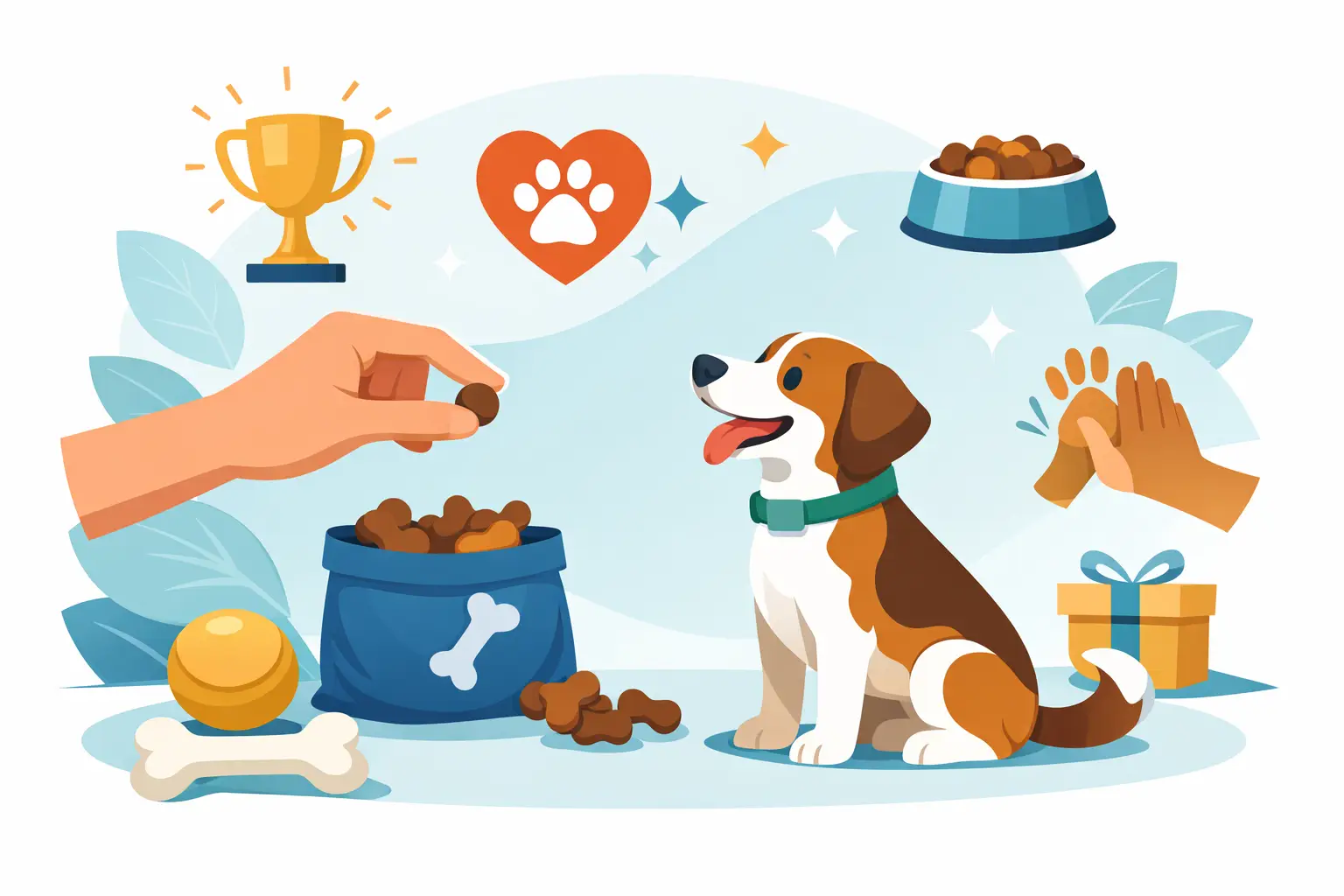
Best Rewards for Household Training Dogs
Your dog ignores you in the kitchen, launches at guests, and loses their mind when the doorbell rings - and then suddenly listens when you grab a treat bag. That does not mean treats are a bribe. It means reward matters. If you want the best rewards for household training, stop asking what your dog should do and start asking what your dog is willing to work for in real life.
Household training is not just about teaching a sit in a quiet room. It is about getting calm behavior when the kids are running around, when groceries are coming in, when visitors show up, and when your dog would rather patrol the front window than listen. In those moments, your reward has to compete with the environment. That is why the reward you use - and how you use it - can make or break progress.
What counts as the best rewards for household training?
The best reward is the one your dog actually values at that moment. Not in theory. Not what worked last month. Not what another dog loves. Your dog gets to vote.
For most dogs, food is the easiest place to start because it is clear, fast, and repeatable. A small piece of chicken can mark the exact second your dog keeps four paws on the floor instead of jumping on a guest. A bit of cheese can help your dog hold position while you open the front door. Food lets you pay quickly, and timing matters.
But food is not the only answer. In household training, everyday life rewards can be just as powerful. Going outside, greeting a person, jumping on the couch with permission, chasing a tossed toy, sniffing the yard, and getting released from place to move freely all count. If your dog wants access to something, that thing can become part of training.
That is where many owners get stuck. They think reward means snacks only. Then they wonder why their dog listens with treats and falls apart without them. The issue is usually not that rewards stopped working. It is that the owner never learned to use the rewards already built into the day.
Food rewards are powerful - if you use them correctly
Food works because it is efficient. You can reward ten good choices in one minute. That matters when you are shaping calm behavior around common household stress points.
If your dog barks at the door, for example, you need enough repetitions to teach a different pattern. That might mean rewarding your dog for moving to a mat, staying there, and looking at you instead of rushing the entryway. Tiny, high-value treats help because you can keep momentum without overfeeding.
The mistake is using boring food for hard work. Dry kibble may be fine for easy reps, but it often will not hold up when your dog is excited, nervous, or overstimulated. If you are asking for real self-control, pay accordingly. Soft, easy-to-eat rewards tend to keep the pace clean.
The second mistake is bad timing. If your dog jumps, lands, and then gets a treat once they settle, you may think you rewarded calm. In reality, the picture may be muddy. Mark the behavior you want right when it happens. Then pay. Clear feedback builds understanding faster than bigger rewards delivered late.
Real-life rewards make training stick at home
The strongest household training usually blends food with real-life access. That is how you move from practice to daily living.
Think about the dog who bolts toward the front door. You can reward a sit with food, yes. But the bigger reward might be the chance to go through the door in a controlled way. The sequence matters. Sit. Wait. Eye contact. Door opens. Release. Now your dog learns that self-control gets them what they wanted in the first place.
The same goes for greeting people. If your dog wants attention, then attention is a reward. Do not pet, talk to, or make eye contact with frantic behavior and then complain that it continues. Calm behavior gets access. Jumping loses access. Dogs learn patterns we repeat, not lectures we give.
This is where owner accountability comes in. If your dog rushes guests and the guests reward that behavior with excited hands and voices, training will stall. Your system has to make sense. Reward the behavior you want. Interrupt access to the behavior you do not.
The best rewards change with the situation
There is no single best reward for every dog, every room, and every problem. It depends on arousal, distraction, and difficulty.
If you are teaching place during dinner prep, food may be ideal because you need duration and repeated reinforcement. If you are working on polite leash movement from the front door to the driveway, movement itself might be the reward. If you are teaching your dog not to crowd the couch, access to the couch can become the reward once invited.
This is why smart training is not random. It is strategic. Match the reward to the job.
For high-energy dogs, movement rewards can be huge. A quick release to chase a toy or run into the yard may matter more than food. For anxious or softer dogs, quiet praise and predictable food rewards may create confidence. For social dogs, access to people can be worth a lot - sometimes too much, which is exactly why it should be controlled.
Why praise alone usually is not enough
Owners often say, "I want my dog to listen without treats. I just want him to do it because I said so." Fair enough. But that is not where training starts.
Praise has value, especially when it has a history of meaning something good. But for most household behavior problems, praise alone is too weak in the early stages. Your dog is comparing your "good job" to the thrill of barking at the window, charging the door, or tackling a visitor. That is not a fair contest.
Use praise, absolutely. Pair it with better rewards. Over time, your dog begins to understand the game, and you can vary reinforcement. But if you start with low-value rewards for hard behaviors, do not be surprised when your dog chooses the environment instead.
Common reward mistakes that slow down household training
One big mistake is rewarding only after the problem happens. Owners wait for barking, then try to fix it. Wait for jumping, then react. Better household training looks ahead. Reward the quiet moment before the bark. Reward the paws on the floor before the launch. Reward the pause at the threshold before the dash.
Another mistake is making rewards too predictable in a bad way. If the dog only gets paid when the treat pouch appears, the pouch becomes part of the cue. Training should happen in normal life, not only in formal sessions. Keep rewards available, but do not make a production out of them.
The third mistake is asking for too much before the dog is ready. If your dog can stay on place for fifteen seconds, do not jump to five minutes when company comes over. Build the skill first. Reward success. Then raise the standard.
How to choose better rewards for your dog
Start by testing, not guessing. Offer a few options in low-pressure settings and see what your dog lights up for. Try plain kibble, higher-value food, a favorite toy, verbal praise, petting, access to the yard, or greeting a familiar person. You will learn quickly what matters most.
Then rank rewards by difficulty. Save the good stuff for the hard work. If your dog struggles with door manners but can easily sit in the living room, do not pay both with the same low-level reward and expect equal effort. Stronger challenge should mean stronger paycheck.
Also pay attention to what changes throughout the day. A dog may work well for food in the morning and be more toy-driven in the evening. A dog may care more about going outside than eating when the neighborhood is active. Training gets better when you stop treating motivation like a fixed trait.
Best rewards for household training in real family life
In busy homes, simple wins. Use rewards you can deliver fast and consistently. Keep treats where problems happen, not hidden in one cabinet. Practice before the chaos starts. Build routines around the moments that usually go sideways.
If mornings are frantic, train the front door routine then. If your dog loses control when guests arrive, rehearse with one family member entering and exiting. If barking at windows is the issue, reward disengagement before your dog escalates. Household training should fit your life, because your dog is learning from your real life anyway.
That practical approach is what helps families from places like West Chester to King of Prussia make progress. Not magic. Not endless repetition with no plan. Better timing, better rewards, and better follow-through from the human.
If you want a calmer home, choose rewards that matter to your dog and use them with purpose. The right reward does not spoil a dog. It tells the truth. It shows your dog exactly which behaviors pay off, and that clarity is what turns chaos into habits you can live with.