So your Getting a Dog
So you’re getting a dog — congratulations. This is an exciting time, and a little planning now will set you and your dog up for years of success. Below are the essential steps to prepare, choose, and welcome a dog into your home.
Before you bring a dog home
Assess your lifestyle and commitment: Dogs need time, exercise, training, social interaction, and veterinary care. Be realistic about daily schedules, work hours, travel, and long-term living plans.
Choose the right dog for your life: Consider size, energy level, grooming needs, age (puppy vs. adult), and temperament. Active households may suit high-energy breeds; calmer homes may be better for lower-energy or older dogs.
Financial readiness: Budget for adoption or purchase fees, vaccinations, spay/neuter, routine vet care, emergency care, food, training, grooming, supplies, and pet insurance if desired.
Housing and rules: Confirm your housing allows dogs, check breed or size restrictions, and consider whether you’ll need a fenced yard or safe outdoor space.
Choosing where to get your dog
Reputable shelters and rescues: Often the best place to find a dog that matches your needs. Staff can advise on behavior and medical history.
Responsible breeders: Look for health testing, transparent records, appropriate socialization, and ethical practices. Avoid puppy mills and backyard breeders.
Adoption events and breed rescues: Good options if you’re looking for a specific breed or temperament.
Essential supplies to buy first
Collar and ID tag with your contact details.
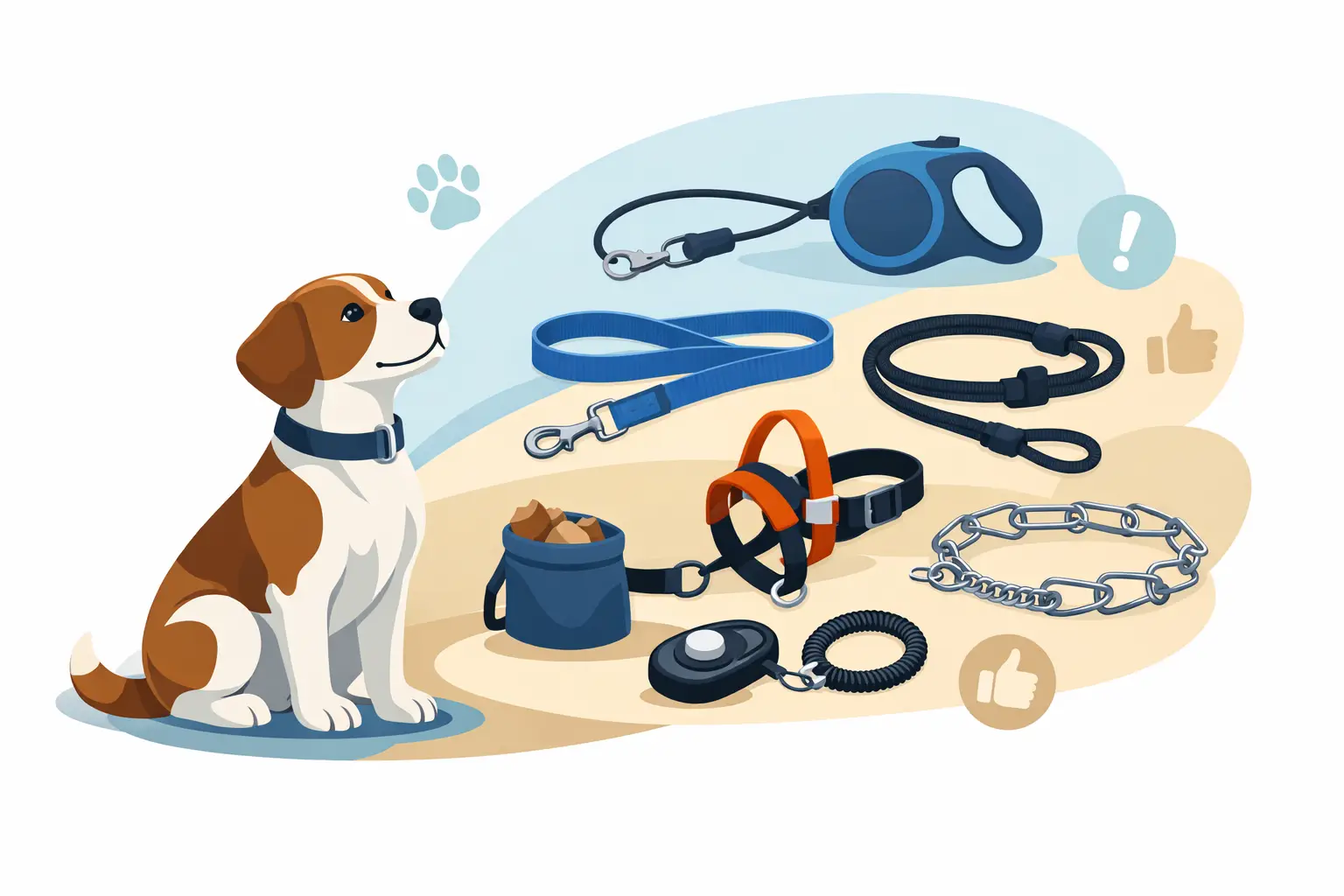
A secure leash and a harness if you plan to use one.
Crate (appropriately sized) and comfy bedding.
Food and water bowls.
Age-appropriate, high-quality dog food.
Chew toys, puzzle toys, and safe play toys.
Poop bags and a waste scooper.
Grooming tools: brush, nail clippers, dog-safe shampoo.
Puppy pads or indoor potty materials if needed.
Baby gates or playpen for confinement and safety.
First day and first week tips
Bring a blanket or toy that smells like the dog’s previous home if possible.
Keep introductions calm: let the dog explore its new space at its own pace.
Establish a safe area (crate or quiet room) where the dog can retreat.
Start a consistent schedule for feeding, potty breaks, play, and rest.
Introduce family members and other pets slowly and under control.
Begin basic boundaries immediately: where the dog is allowed, what’s off-limits, and rules about furniture.
Avoid overwhelming visitors and new experiences during the first few days.
Training and socialization
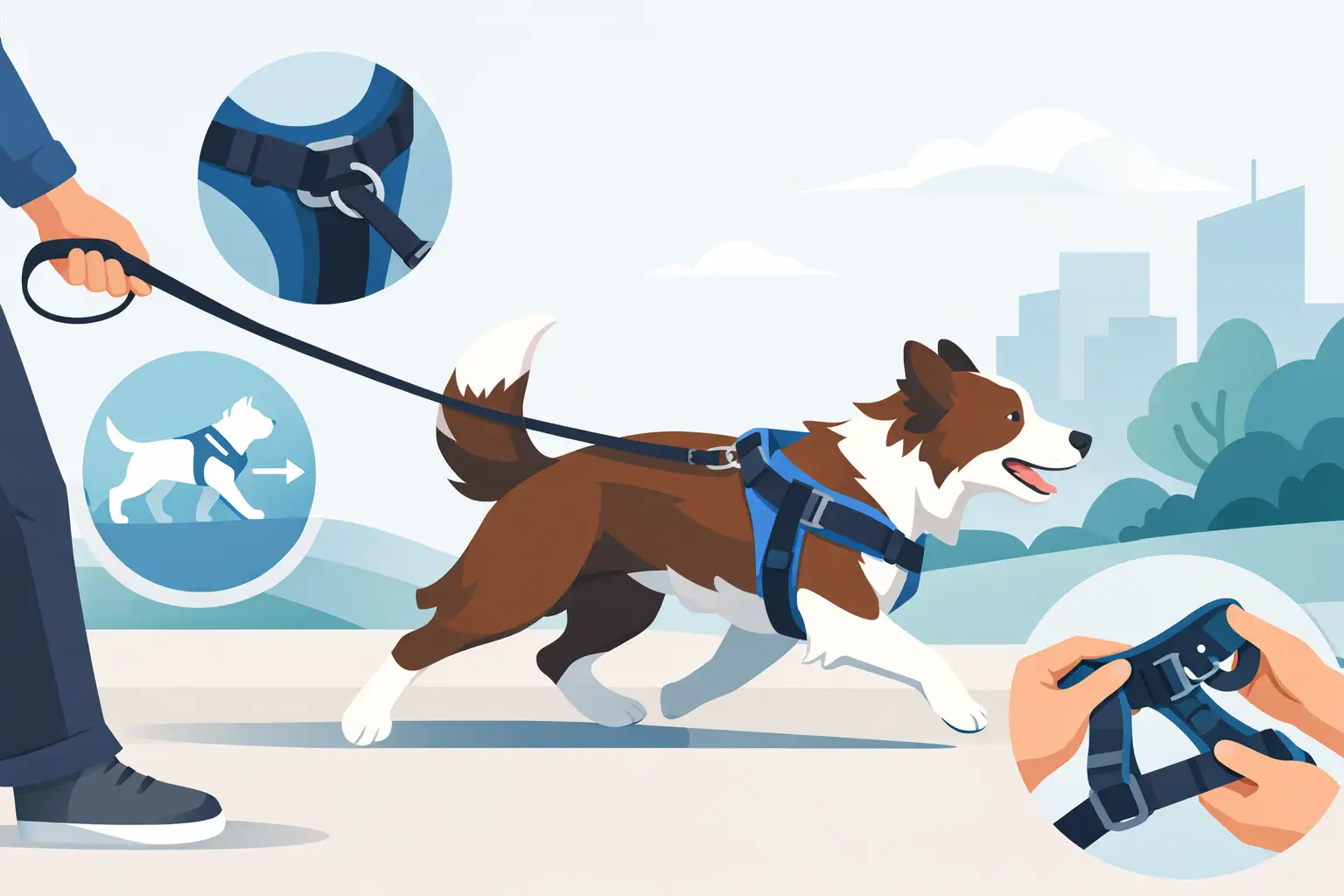
Start basic training right away: sit, down, come, place, and loose-leash walking are foundational.
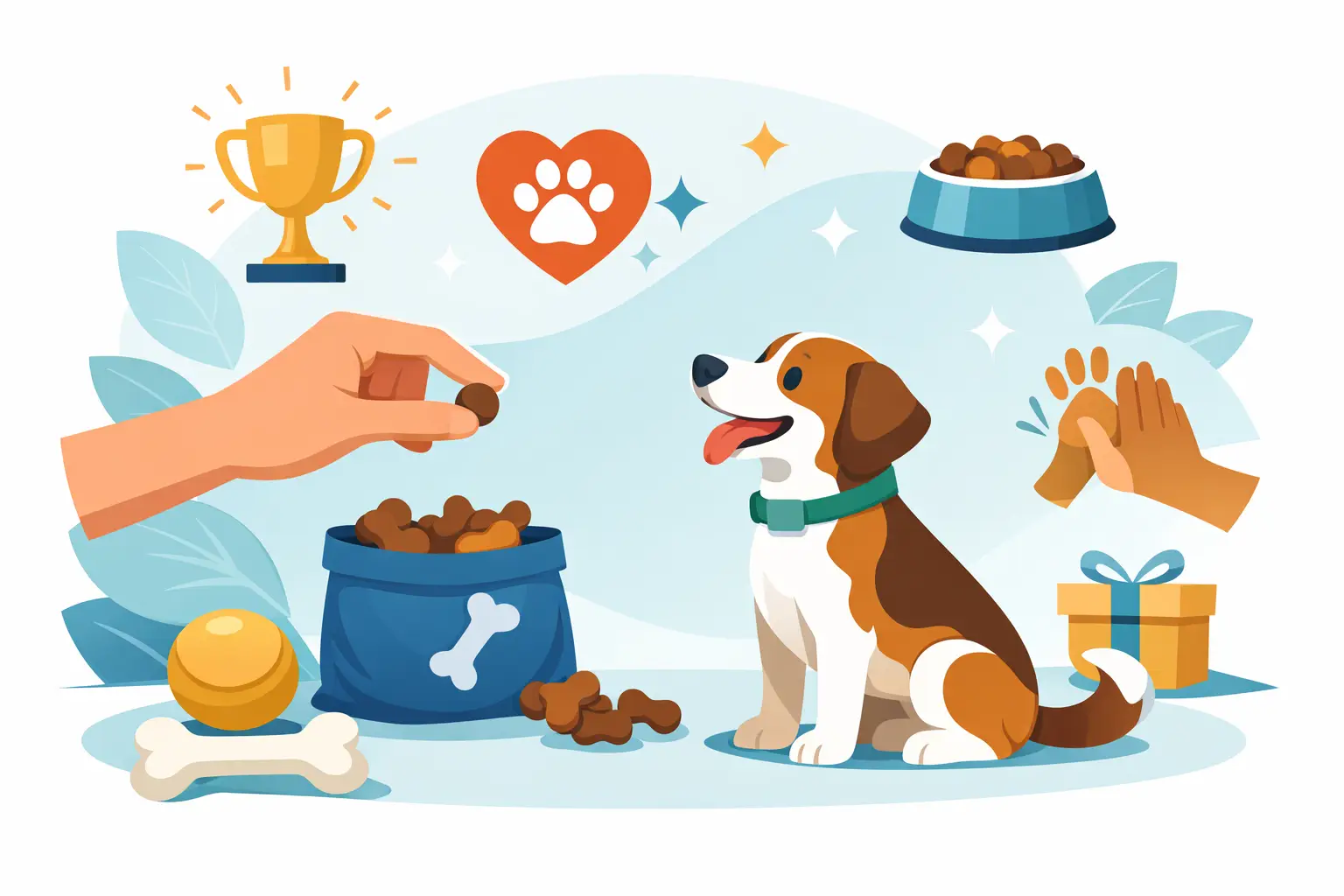
Positive reinforcement works best: use treats, praise, and play to reward desired behavior.
Socialize early and safely: expose your dog to different people, places, sounds, and other vaccinated dogs to build confidence and reduce fear-based behavior.
Consider professional training: group classes, private lessons, or board-and-train can speed progress and prevent common problems. At Echo Dogs Training, we offer programs across basic, intermediate, and advanced levels tailored to your dog’s needs.
Be consistent: everyone in the household should use the same cues, rules, and reward systems.
Health and veterinary care
Schedule a vet visit within the first week for a wellness exam, vaccinations, and parasite prevention.
Discuss spay/neuter timing, microchipping, and a vaccination schedule.
Learn about common breed-specific health concerns and preventative care like dental hygiene.
Common pitfalls to avoid
Inconsistent rules: Dogs learn best with clear and predictable boundaries.
Delaying training: Early training prevents many behavior issues from becoming habits.
Overexposure: Too many new people and places too fast can stress a new dog.
Ignoring mental exercise: Boredom leads to destructive behaviors; include puzzle
So you’re getting a dog — congratulations. This is an exciting time, and a little planning now will set you and your dog up for years of success. Below are the essential steps to prepare, choose, and welcome a dog into your home.
Before you bring a dog home
Assess your lifestyle and commitment: Dogs need time, exercise, training, social interaction, and veterinary care. Be realistic about daily schedules, work hours, travel, and long-term living plans.
Choose the right dog for your life: Consider size, energy level, grooming needs, age (puppy vs. adult), and temperament. Active households may suit high-energy breeds; calmer homes may be better for lower-energy or older dogs.
Financial readiness: Budget for adoption or purchase fees, vaccinations, spay/neuter, routine vet care, emergency care, food, training, grooming, supplies, and pet insurance if desired.
Housing and rules: Confirm your housing allows dogs, check breed or size restrictions, and consider whether you’ll need a fenced yard or safe outdoor space.
Choosing where to get your dog
Reputable shelters and rescues: Often the best place to find a dog that matches your needs. Staff can advise on behavior and medical history.
Responsible breeders: Look for health testing, transparent records, appropriate socialization, and ethical practices. Avoid puppy mills and backyard breeders.
Adoption events and breed rescues: Good options if you’re looking for a specific breed or temperament.
Essential supplies to buy first
Collar and ID tag with your contact details.
A secure leash and a harness if you plan to use one.
Crate (appropriately sized) and comfy bedding.
Food and water bowls.
Age-appropriate, high-quality dog food.
Chew toys, puzzle toys, and safe play toys.
Poop bags and a waste scooper.
Grooming tools: brush, nail clippers, dog-safe shampoo.
Puppy pads or indoor potty materials if needed.
Baby gates or playpen for confinement and safety.
First day and first week tips
Bring a blanket or toy that smells like the dog’s previous home if possible.
Keep introductions calm: let the dog explore its new space at its own pace.
Establish a safe area (crate or quiet room) where the dog can retreat.
Start a consistent schedule for feeding, potty breaks, play, and rest.
Introduce family members and other pets slowly and under control.
Begin basic boundaries immediately: where the dog is allowed, what’s off-limits, and rules about furniture.
Avoid overwhelming visitors and new experiences during the first few days.
Training and socialization
Start basic training right away: sit, down, come, place, and loose-leash walking are foundational.
Positive reinforcement works best: use treats, praise, and play to reward desired behavior.
Socialize early and safely: expose your dog to different people, places, sounds, and other vaccinated dogs to build confidence and reduce fear-based behavior.
Consider professional training: group classes, private lessons, or board-and-train can speed progress and prevent common problems. At Echo Dogs Training, we offer programs across basic, intermediate, and advanced levels tailored to your dog’s needs.
Be consistent: everyone in the household should use the same cues, rules, and reward systems.
Health and veterinary care
Schedule a vet visit within the first week for a wellness exam, vaccinations, and parasite prevention.
Discuss spay/neuter timing, microchipping, and a vaccination schedule.
Learn about common breed-specific health concerns and preventative care like dental hygiene.
Common pitfalls to avoid
Inconsistent rules: Dogs learn best with clear and predictable boundaries.
Delaying training: Early training prevents many behavior issues from becoming habits.
Overexposure: Too many new people and places too fast can stress a new dog.
Ignoring mental exercise: Boredom leads to destructive behaviors; include puzzle toys and training for mental stimulation.
Long-term success
Maintain regular training refreshers and enrichment throughout the dog’s life.
Update routines as your dog ages or your household changes.
Continue socialization and supervised interactions with new people, animals, and environments.
Keep vet checkups and preventative care on schedule.
If you’d like help choosing the right dog for your lifestyle or want a training plan to start on day one, Echo Dogs Training can provide a consultation and a tailored program to get you both off to the best start. Book now to secure expert guidance for a smooth transition.
Small Steps Create big Change
It All Begins Here: Small Steps for Owning a Dog
Bringing a dog into your life is rewarding, but success comes from thoughtful preparation and consistent small steps. Follow this practical roadmap to build a happy, well-behaved companion.
Choose the right dog
Assess your lifestyle: activity level, work schedule, living space, and family members.
Research breeds and mixes for temperament, size, exercise needs, grooming, and health considerations.
Consider adopting from a shelter or rescue for support with behavior and medical history.
Prepare your home
Designate a safe, comfortable area for resting (bed, crate or mat).
Remove hazards: toxic plants, accessible cords, small ingestible objects.
Purchase basics before arrival: collar, ID tag, leash, food and water bowls, age-appropriate toys, grooming tools, and quality food.
Establish routines
Set consistent feeding times and portion sizes.
Create a predictable bathroom schedule (after waking, eating, playing).
Schedule regular walks and play sessions to meet exercise needs and reduce problem behaviors.
Start training early and often
Teach basic cues: sit, down, stay, come, and leash manners using positive reinforcement.
Keep sessions short (5–10 minutes) and frequent.
Socialize gradually with people, pets, and environments to build confidence and reduce fear.
Build strong manners
Reinforce calm greetings and discourage jumping by rewarding four-on-floor behavior.
Use chew-appropriate toys and redirect unwanted mouthing.
Be consistent with rules across all family members.
Health and wellness
Schedule a vet visit soon after adoption for vaccination, parasite control, and a wellness plan.
Maintain regular grooming and dental care.
Keep up with preventive care: vaccinations, flea/tick/heartworm protection, and weight management.
Address behavior early
Don’t wait for small issues to escalate. Seek professional help for persistent problems like separation anxiety, aggression, or reactivity.
Consider structured classes or private sessions for targeted support.
Invest in enrichment
Provide mental stimulation through puzzle toys, scent work, training games, and varied walks.
Rotate toys and introduce new challenges to prevent boredom.
Prepare for time away
Plan for pet care during travel or long workdays: trusted
It All Begins Here: Small Steps for Owning a Dog
Bringing a dog into your life is rewarding, but success comes from thoughtful preparation and consistent small steps. Follow this practical roadmap to build a happy, well-behaved companion.
Choose the right dog
Assess your lifestyle: activity level, work schedule, living space, and family members.
Research breeds and mixes for temperament, size, exercise needs, grooming, and health considerations.
Consider adopting from a shelter or rescue for support with behavior and medical history.
Prepare your home
Designate a safe, comfortable area for resting (bed, crate or mat).
Remove hazards: toxic plants, accessible cords, small ingestible objects.
Purchase basics before arrival: collar, ID tag, leash, food and water bowls, age-appropriate toys, grooming tools, and quality food.
Establish routines
Set consistent feeding times and portion sizes.
Create a predictable bathroom schedule (after waking, eating, playing).
Schedule regular walks and play sessions to meet exercise needs and reduce problem behaviors.
Start training early and often
Teach basic cues: sit, down, stay, come, and leash manners using positive reinforcement.
Keep sessions short (5–10 minutes) and frequent.
Socialize gradually with people, pets, and environments to build confidence and reduce fear.
Build strong manners
Reinforce calm greetings and discourage jumping by rewarding four-on-floor behavior.
Use chew-appropriate toys and redirect unwanted mouthing.
Be consistent with rules across all family members.
Health and wellness
Schedule a vet visit soon after adoption for vaccination, parasite control, and a wellness plan.
Maintain regular grooming and dental care.
Keep up with preventive care: vaccinations, flea/tick/heartworm protection, and weight management.
Address behavior early
Don’t wait for small issues to escalate. Seek professional help for persistent problems like separation anxiety, aggression, or reactivity.
Consider structured classes or private sessions for targeted support.
Invest in enrichment
Provide mental stimulation through puzzle toys, scent work, training games, and varied walks.
Rotate toys and introduce new challenges to prevent boredom.
Prepare for time away
Plan for pet care during travel or long workdays: trusted daycare, sitter, or boarding facility.
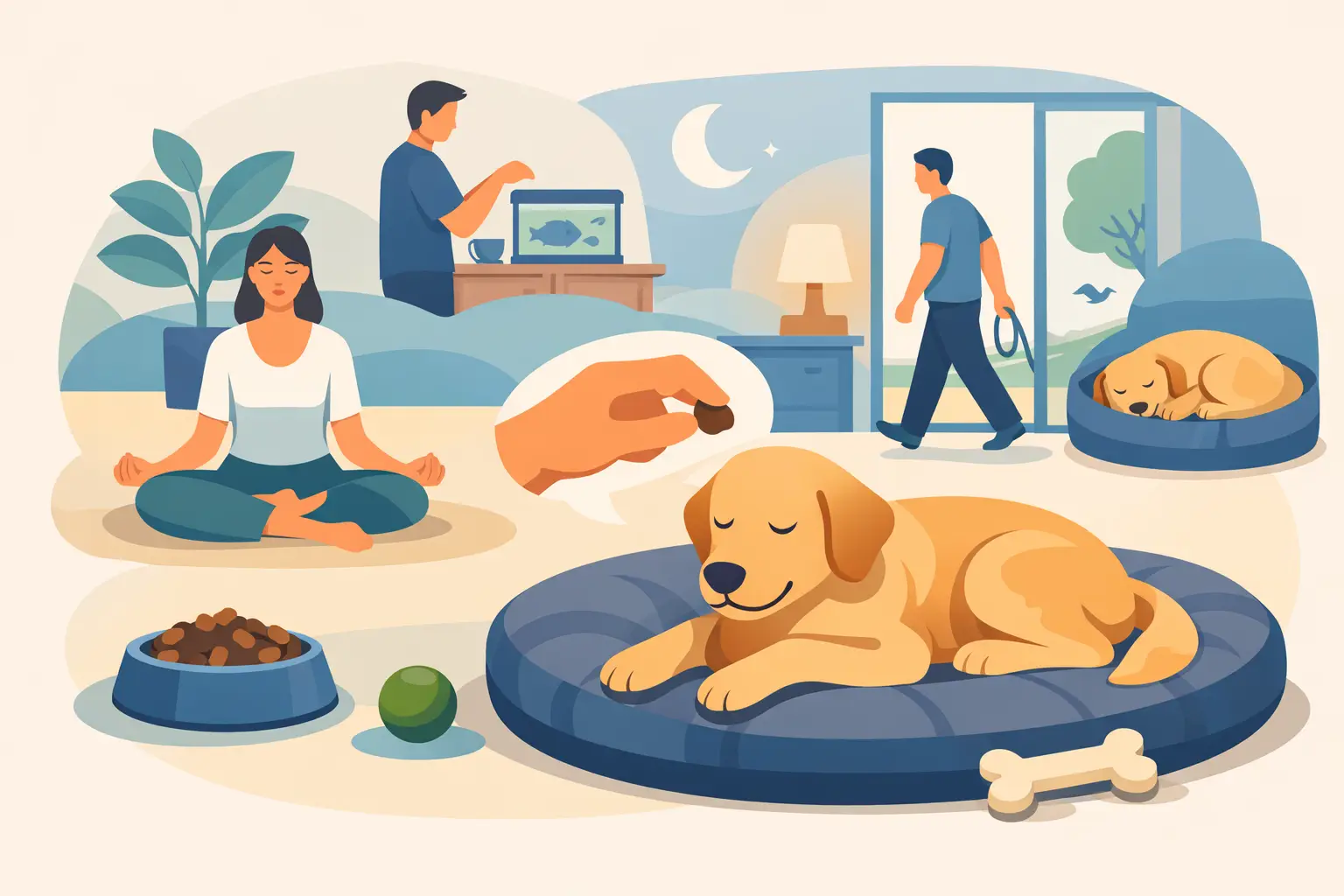
Practice short absences
Turn Intention Into A forever Home
There is a language older than words that passes between a human and a dog: a quiet, steady current of presence, attention, and trust. It begins in simple acts — a hand reaching for a muzzle, a warm body curled at the foot of a bed, a leash clipped to a collar — and grows into a durable bond that shapes both lives.
Love in this relationship is practical and poetic at once. It shows up in routines: morning walks that mark the day’s start, meals shared on a predictable rhythm, training sessions where patience and praise teach boundaries and possibilities. Those routines are the scaffolding of safety. Dogs learn what is expected; people learn how to read subtle signals — a tail held a certain way, a shift in posture, the way ears tilt when a name is called. Over time, that shared choreography becomes shorthand for care.
There is also a depth of emotional reciprocity. Dogs offer unconditional enthusiasm for the everyday: the moment you return through the door, the quiet presence beside you when you’re tired, the way a head rests on a knee as if to say, I am here. That steadfastness can anchor a human through grief, stress, or loneliness. In turn, people provide protection, food, structure, and the moral commitment to keep another being safe. This mutual dependence is not merely biological — it is moral and emotional labor made visible by small gestures of devotion.
Dogs love is the best kinda love!
It All Begins Here
A dog’s love is a steady, uncomplicated presence shaped by instinct, attention, and trust. It’s not sentimental in the human way, but it is deep, reliable, and expressed through behaviors that mean: “You are my person.”
What it looks like
Attention and focus: A dog watches you, follows your movements, and seeks proximity. Eye contact, leaning in, and staying near you are common signs.
Physical affection: Tail wagging, nudging with the nose, leaning, resting a head on your lap, or curling up beside you are ways dogs show comfort and attachment.
Excitement and joy: Reuniting after a short separation often brings exuberant greeting behaviors—tail wagging, jumping (sometimes politely trained away), spinning, and full-body wags.
Submissive gestures and deference: Rolling onto the back, lowering the head, or offering the paw can be signs of respect and bonding.
Service and cooperation: Dogs demonstrate attachment by responding to cues, working with you, and seeking to please—especially if trained positively.
What it feels like to the owner
Comfort and companionship: Many owners experience a calming, steady presence that reduces loneliness and stress.
Loyalty and reliability: Dogs often form a clear preference for certain people and will prioritize them in social situations.
Emotional resonance: Dogs can sense and react to human emotions—offering closeness when you’re sad or matching excitement when you’re happy.
Why it forms
Evolution and social bonding: Dogs evolved from pack animals; forming close bonds with humans mirrors pack social structures—attachment increases survival.
Learning and reinforcement: Positive interactions—feeding, play, praise, walks—teach dogs that people are sources of comfort and reward.
Oxytocin and hormones: Interactions between dogs and humans boost oxytocin for both species, reinforcing bonding and affection.
How to nurture it
Consistent care: Regular feeding, exercise, rest, grooming, and veterinary care build trust.
Predictable routines: Dogs thrive on consistency; routines reduce stress and strengthen attachment.
Positive training: Reward-based training builds communication and mutual respect without fear.
Quality time: Play, walks, and calm attention deepen the bond more than occasional intense interaction.
Respect boundaries: Recognize a dog’s comfort levels—too much forced affection can undermine trust.
What it is not
Mere possession: A dog’s love is not ownership; it’s a relationship requiring responsibility.
Blind obedience out of fear: True attachment is built on trust, not intimidation.
Permanent without effort: Health, behavior, and the human-dog relationship require ongoing care.
In short: a dog’s love is reliable, earned, and expressed through attention, physical closeness, excitement, protection, and cooperative behavior. It’s a partnership grounded in care, consistency, and mutual trust. For stronger bonds, prioritize predictable care and positive, patient training that respects your dog’s needs.