Back
June 11, 2026 | Anthony Mazzenga
How to Build Dog Impulse Control
Your dog hears the doorbell, launches forward
Your dog hears the doorbell, launches forward, and suddenly your whole house is reacting. That moment is exactly why owners ask how to build dog impulse control. Not because they want a dog that looks perfect in a training video, but because they want a dog that can handle real life without turning every trigger into chaos.
Impulse control is what helps a dog pause before acting. It is the difference between charging through a doorway and waiting. Between mugging your hand for food and holding position. Between exploding at the end of the leash and checking back in with you. If your dog struggles here, the issue is not usually stubbornness. More often, it is a mix of arousal, weak boundaries, inconsistent follow-through, and a dog that has learned that acting fast pays off.
The good news is that impulse control can be taught. The less fun news is that it starts with your behavior first.
What dog impulse control really means
A lot of owners think impulse control means making a dog sit still for a treat. That can be part of it, but real impulse control shows up in daily pressure points. Doorways. Food. Guests. Walks. Squirrels. The couch. The crate. The car door.
A dog with better impulse control is not shut down or afraid to move. The dog is learning how to regulate excitement and wait for direction. That is a big distinction. We are not trying to make your dog dull. We are trying to make your dog thoughtful.
This also means progress is rarely linear. A dog may do well in the kitchen and fall apart at the front door. That does not mean training failed. It means the difficulty changed.
Why most dogs stay impulsive
Owners are often more consistent at reacting than they are at teaching. The dog jumps, so the owner pushes the dog off. The dog pulls, so the owner tightens the leash. The dog rushes the door, so everyone starts yelling. That pattern keeps the dog in a high state and does very little to teach a better choice.
Dogs repeat what works. If barging ahead gets them outside faster, they barge. If barking gets attention, they bark. If jumping earns touch, eye contact, or excited voices, they jump. Even negative attention can still function like payment for some dogs.
This is where accountability matters. If you want calmer behavior, your rules cannot change based on your mood, your schedule, or whether guests are watching.
How to build dog impulse control at home
Start small and make it clear. That is the formula.
Do not begin with the hardest trigger in your dog’s world. Start with something your dog can actually win. Food waiting, threshold work, place training, and structured leash exits are all useful because they happen often and give you repetition.
Teach the pause before the reward
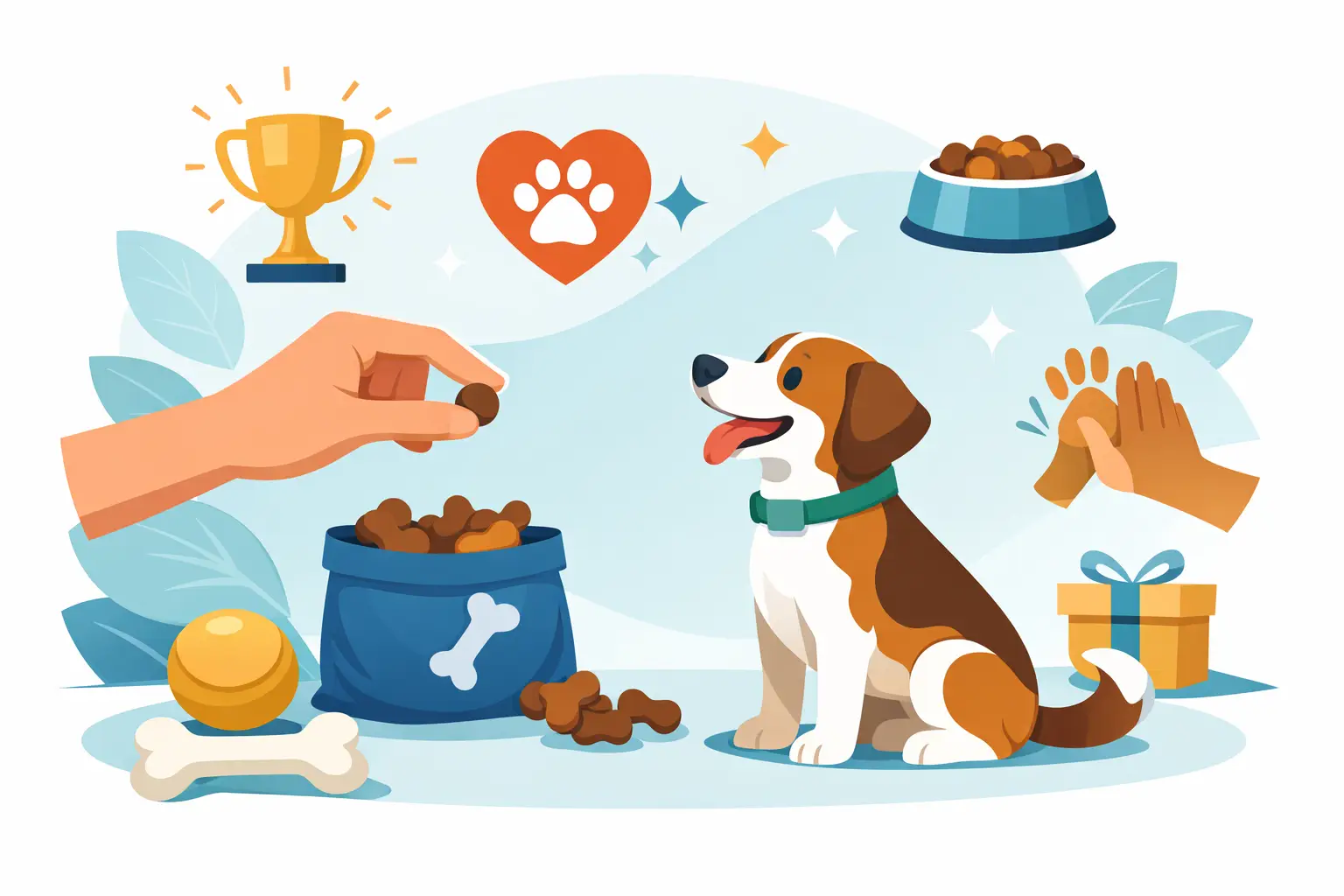
Impulse control improves when the dog learns that calm behavior makes good things happen faster. Ask for a simple behavior your dog knows, like sit or place, then make the reward appear only when your dog stays composed.
If your dog pops up, forges forward, paws at you, or vocalizes, the reward pauses too. No lecture. No frustration. Just a clear consequence. Calm gets access. Chaos delays it.
That sounds simple, but timing matters. If you hand over the reward while your dog is breaking position, you are paying the exact behavior you want gone.
Use thresholds every day
Doorways are one of the best places to teach self-control because they matter to dogs. The outside world is rewarding. Guests are exciting. Movement through a threshold has value.
Have your dog wait before going through doors. Front door, back door, crate door, car door. The rule does not need to be complicated. What matters is that your dog does not decide the release on their own.
Open the door a little. If your dog rushes forward, the door closes. Open it again. If your dog holds position, the door stays open. Then release your dog when you choose.
This is one of the clearest ways to show a dog that patience creates progress.
Slow down feeding time
Many dogs practice frantic behavior at every meal because owners accidentally make food routines chaotic. Bowl clattering, spinning, barking, jumping, then instant delivery. That is rehearsing impulsiveness twice a day.
Ask for stillness before the bowl goes down. If your dog breaks, the bowl comes back up. Once your dog can hold position for a few seconds, place the bowl and release calmly. It does not need to look military sharp. It does need to be consistent.
Put structure around greetings
If your dog loses their mind when people come over, stop treating greetings like a spontaneous event. Most dogs are not failing because they are social. They are failing because nobody showed them what the job is.
Give your dog a clear starting point before opening the door. That might be place, a sit behind you, or being leashed and guided through the first minute. The point is not to punish excitement. The point is to prevent rehearsal of the full-body launch, spinning, barking routine that has become habit.
Guests also need direction. If visitors reward jumping with touch and chatter, your training gets undercut in seconds.
Build skills before you test them
This is where many owners get impatient. They practice something twice in the living room, then expect it to hold up on a busy sidewalk in Downingtown or outside a coffee shop in West Chester. That is too big a jump for most dogs.
Training should layer difficulty. Start with low distraction. Then add mild movement, a different room, the open front door, the driveway, the quiet sidewalk, and eventually more active environments. If your dog keeps failing, the answer is usually not more pressure. It is better progression.
The role of arousal in impulse control
A dog cannot show much self-control if their arousal is already through the roof. This is why some dogs can sit perfectly for a cookie in the kitchen and then act like they have never heard their name outside.
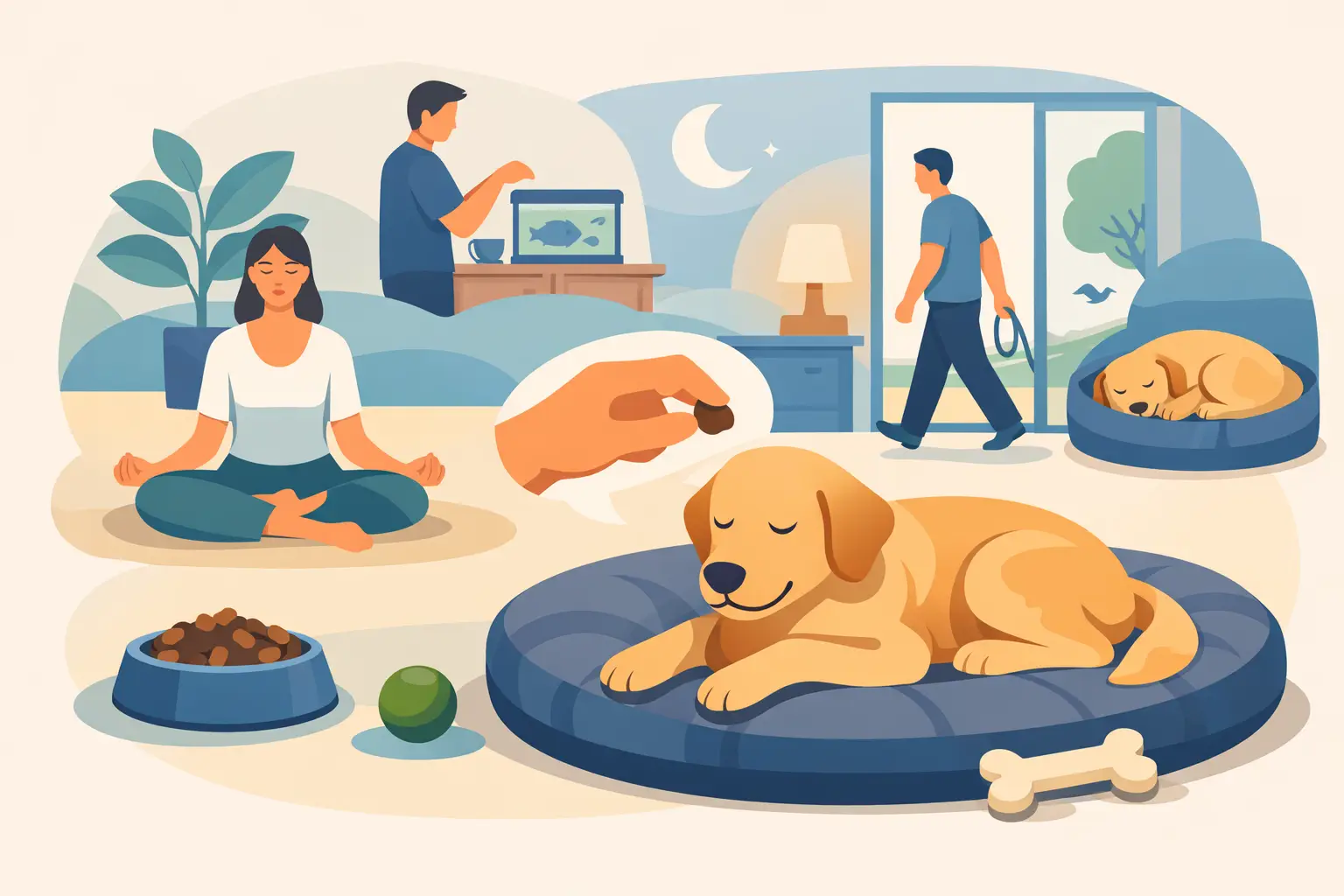
Arousal comes from excitement, frustration, stress, anticipation, and lack of rest. If your dog is constantly revved up, impulse control work has to include lifestyle management. Better sleep, more predictable routines, clear boundaries, and training sessions that do not push your dog over threshold all matter.
Exercise helps, but this is where owners get tripped up. More activity is not always the fix. Some dogs need physical outlets. Some need help learning how to come down. A dog that is constantly amped is not necessarily underworked. Sometimes that dog is under-taught.
Common mistakes that slow progress
One big mistake is repeating commands. If you say sit five times, your dog learns that the first four do not matter. Give the cue once, then help your dog make the right choice or reset the exercise.
Another mistake is moving too fast. Owners often want the polished version immediately, especially when the problem is embarrassing. But if your dog cannot hold position for five seconds in a quiet room, expecting a calm door greeting with guests is unrealistic.
The third mistake is inconsistency between family members. If one person enforces boundaries and another allows barging, the dog is not being difficult. The dog is reading the room.
How to build dog impulse control without making training miserable
Training should be clear, not harsh. Your dog should understand how to succeed. Reward the right choices. Prevent the wrong ones from paying off. Keep sessions short enough that you can stay sharp.
That last part matters more than people think. Five solid minutes is better than twenty sloppy ones. Dogs learn from patterns, and your timing is part of the pattern.
It also helps to stop measuring success by perfection. A dog that pauses, checks in, and recovers faster is improving, even if the behavior is not polished yet. Progress often looks like less intensity, shorter outbursts, and better recovery before it looks like complete calm.
When you need more than DIY practice
Some impulse control issues are straightforward. Others are tied to bigger patterns like leash frustration, door reactivity, demand barking, or anxiety around stimulation. In those cases, generic advice usually falls short because the dog is not just impulsive. The dog is overwhelmed, over-rehearsed, or unclear on the job.
That is where coaching helps. Echo Dogs Training works with owners across Chester County and nearby suburbs who are tired of repeating themselves and ready for a plan that actually fits their dog and household. Good training is not about tricks. It is about making everyday life easier.
If you want a calmer dog, ask for less drama from your dog after you create less confusion from yourself. Be clear. Be consistent. Mean what you say. Your dog does not need perfect days. Your dog needs enough repeated wins to learn that patience works better than chaos.