Back
June 20, 2026 | Anthony Mazzenga
Why does my dog jump when people come over
Your dog hears the front door, spots a guest, and launches. Paws on legs. Maybe paws on your shoulders. If you have been asking, why does my dog jump, the answer is usually not mystery or stubbornness. It is rehearsal, excitement, and a pattern that has been paying off.
That matters because jumping is not just annoying. It creates chaos at the door, knocks over kids, scares visitors, and makes everyday life feel harder than it should. The good news is that jumping is trainable. The less fun news is that most dogs keep doing it because the people around them, often without meaning to, keep rewarding it.
Why does my dog jump when people come over?
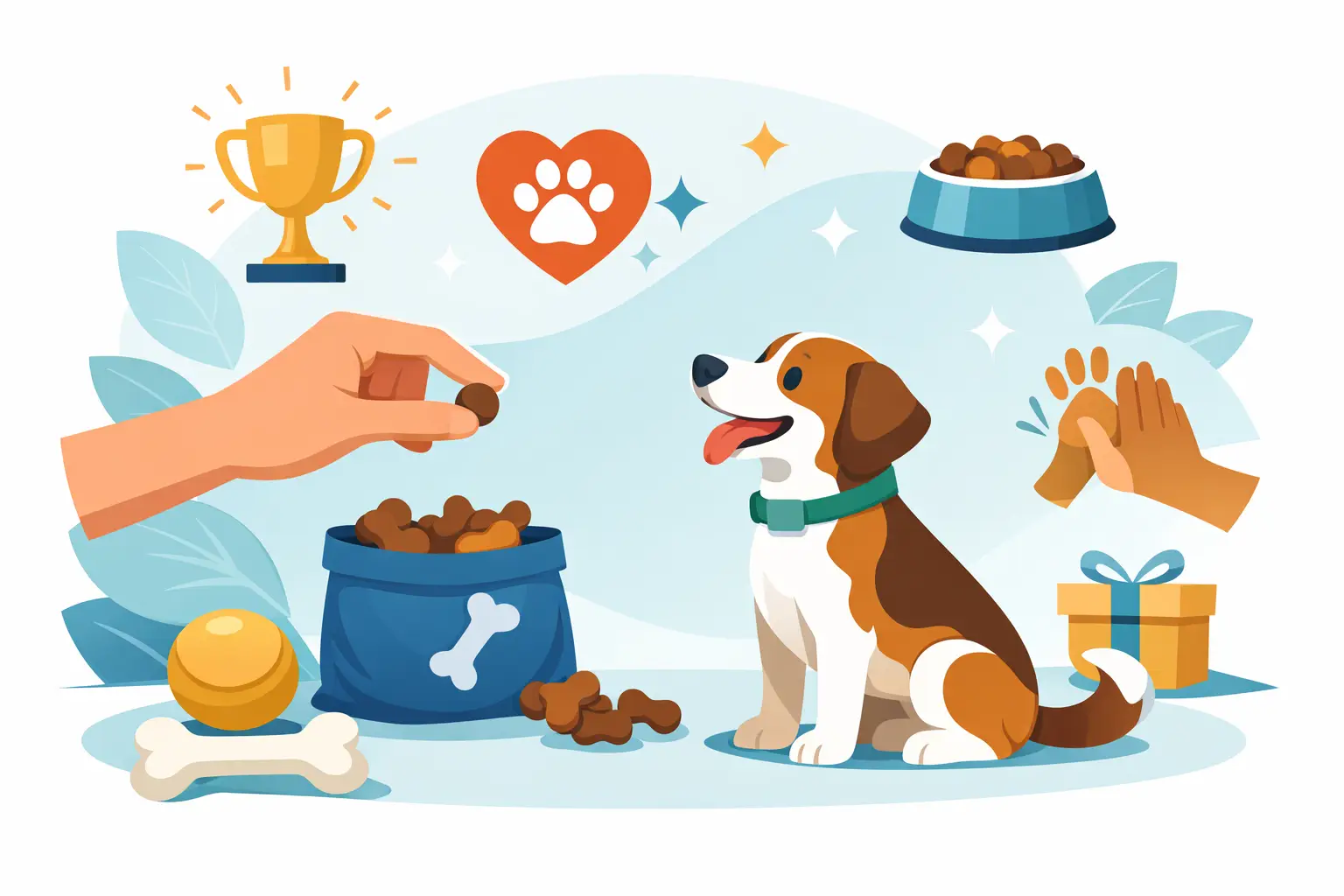
Most dogs jump for one simple reason - it works. Your dog wants access, attention, movement, touch, or engagement. Jumping often gets one or more of those things immediately.
Think about what usually happens. A person walks in, talks in a high voice, reaches out, laughs, pushes the dog off, or starts a whole wrestling match at the door. From the dog's point of view, that is a huge social event. Even being shoved away can feel rewarding to an excited dog because contact is still contact.
Some dogs jump because they are social and over-aroused. Some jump because they have poor impulse control. Some do it because they are anxious and frantic around arrivals. And some have simply practiced it so many times that it has become their default greeting. Different reasons, same outcome - four paws leave the ground because the dog has learned that chaos gets results.
The biggest reason jumping sticks
Owner inconsistency.
That is the piece people do not always want to hear, but it is the truth. If your dog gets corrected for jumping on Monday, ignored on Tuesday, rewarded on Wednesday, and encouraged by visitors on Saturday, the dog is not being difficult. The dog is learning that jumping sometimes pays. And behaviors that sometimes pay are stubborn behaviors.
This is why families struggle with it for months or even years. One person wants calm greetings. Another person says, “It is fine, he is just friendly.” Kids get excited. Guests bend down. The dog gets mixed information and keeps choosing the behavior with the strongest history.
Dogs are not grading your intentions. They are reading patterns.
Excitement is real, but it is not an excuse
A lot of owners say, “He only jumps because he is excited.” That may be true. But excitement explains the behavior. It does not solve it.
An excited dog still needs a clear skill for what to do instead. If there is no trained alternative, the dog will fall back on what comes naturally and what has worked before. That is why telling a dog “off” over and over usually does not fix the problem. You are reacting after the launch instead of building calm before it happens.
This is also why jumping is often worse at predictable flashpoints - when you come home from work, when the kids get off the bus, when a visitor enters, or when the leash comes out. The dog is not making a thoughtful choice in that moment. The dog is running a practiced response.
Why puppies jump and why adult dogs keep doing it
Puppies jump because they are impulsive, social, and physically uncoordinated. They want interaction fast. Small puppy jumps often look cute, so people pet them, talk to them, and laugh. That is where the habit starts.
Adult dogs keep jumping because nobody replaced the habit with a better one. The behavior got stronger as the dog got bigger. Now it is no longer cute, but the dog has no idea the rules changed.
This is one of the most common training mistakes in the early months. Owners wait until the problem becomes disruptive before getting serious. By then, the dog has already logged hundreds of repetitions.
What your dog may actually be saying
Jumping is not always about dominance, and it is rarely as complicated as people make it. Usually your dog is communicating something pretty basic.
The message might be, “Notice me.” It might be, “I cannot control myself right now.” It might be, “I am stressed and movement helps me release energy.” Or it might simply be, “This routine always gets me attention.”
That is why context matters. A dog that jumps only during greetings may need structure around arrivals. A dog that jumps throughout the day may be under-stimulated, over-rehearsed, or unclear on household boundaries. A dog that jumps while barking, pacing, and mouthing may be dealing with a bigger impulse-control problem.
Same behavior. Different drivers. Training works best when you stop treating every jumper as the same case.
Why does my dog jump on me but not everyone else?
Because you are part of the pattern.
Dogs often jump most on the people they have the strongest reinforcement history with. If your dog jumps on you when you get home and you respond with eye contact, petting, talking, or physical engagement, you may be the most rewarding target in the house.
That does not mean you caused the problem on purpose. It means your dog has learned that your arrival predicts a burst of interaction. Busy owners do this all the time because they miss the dog, feel guilty for being gone, or just want a quick affectionate moment. Again, understandable. But understandable does not mean helpful.
If you want calm, your greeting has to reward calm.
What actually helps stop jumping
First, stop feeding the behavior. That means no petting, no excited talking, no roughhousing, and no inconsistent exceptions when the dog jumps. If the dog gets attention for paws up, the behavior stays alive.
Second, teach a specific replacement behavior. “Do not jump” is not a complete lesson. Your dog needs a job. Four paws on the floor, go to place, sit for greetings, or wait behind a boundary all work well, depending on the dog and the household.
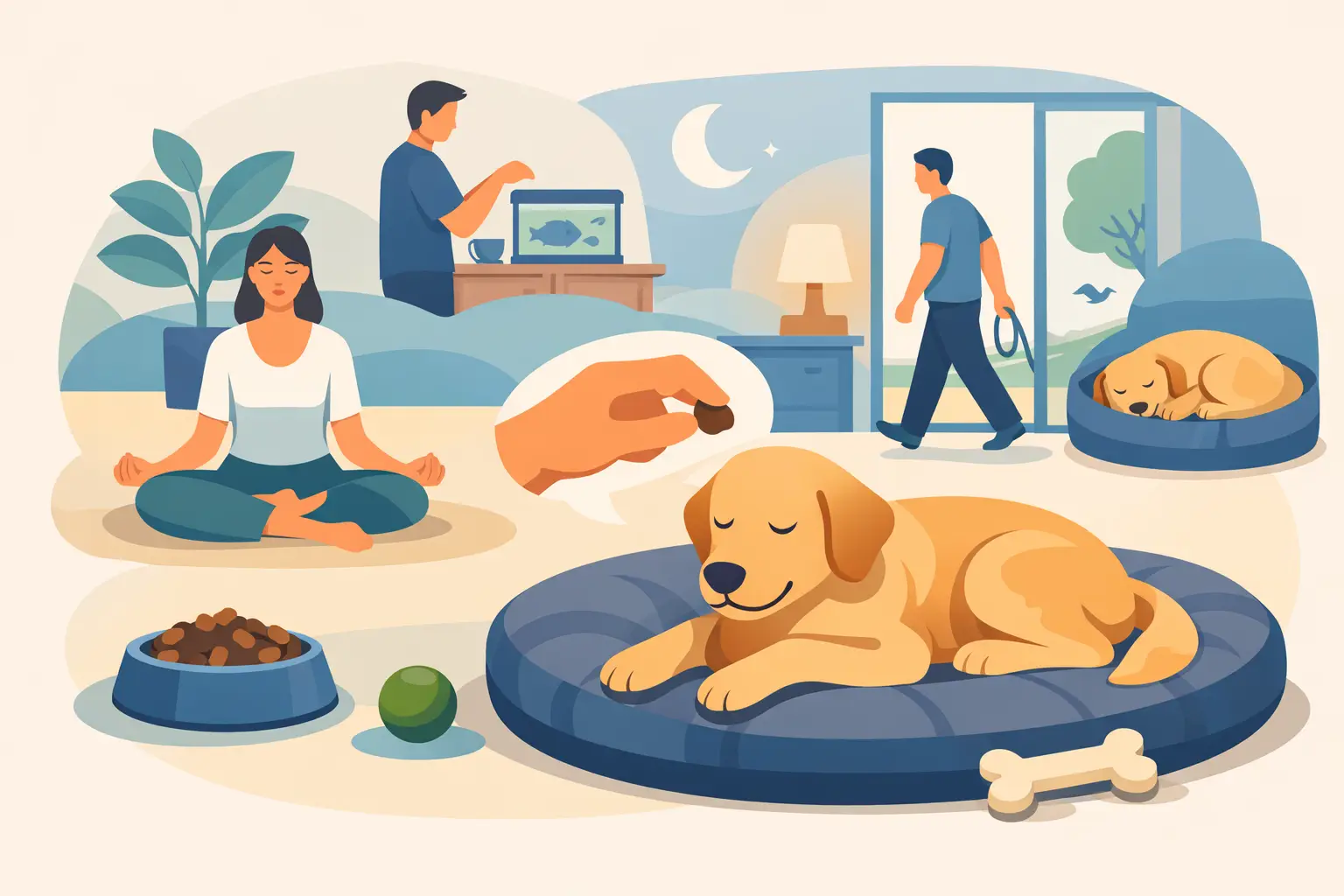
Third, practice before the big moment. Most people try to train at full speed, right when guests arrive and the dog is already over threshold. That is late. Real progress comes from controlled repetition. Work the door routine when life is quiet. Rehearse leash pickup. Rehearse family members entering. Build success in manageable pieces.
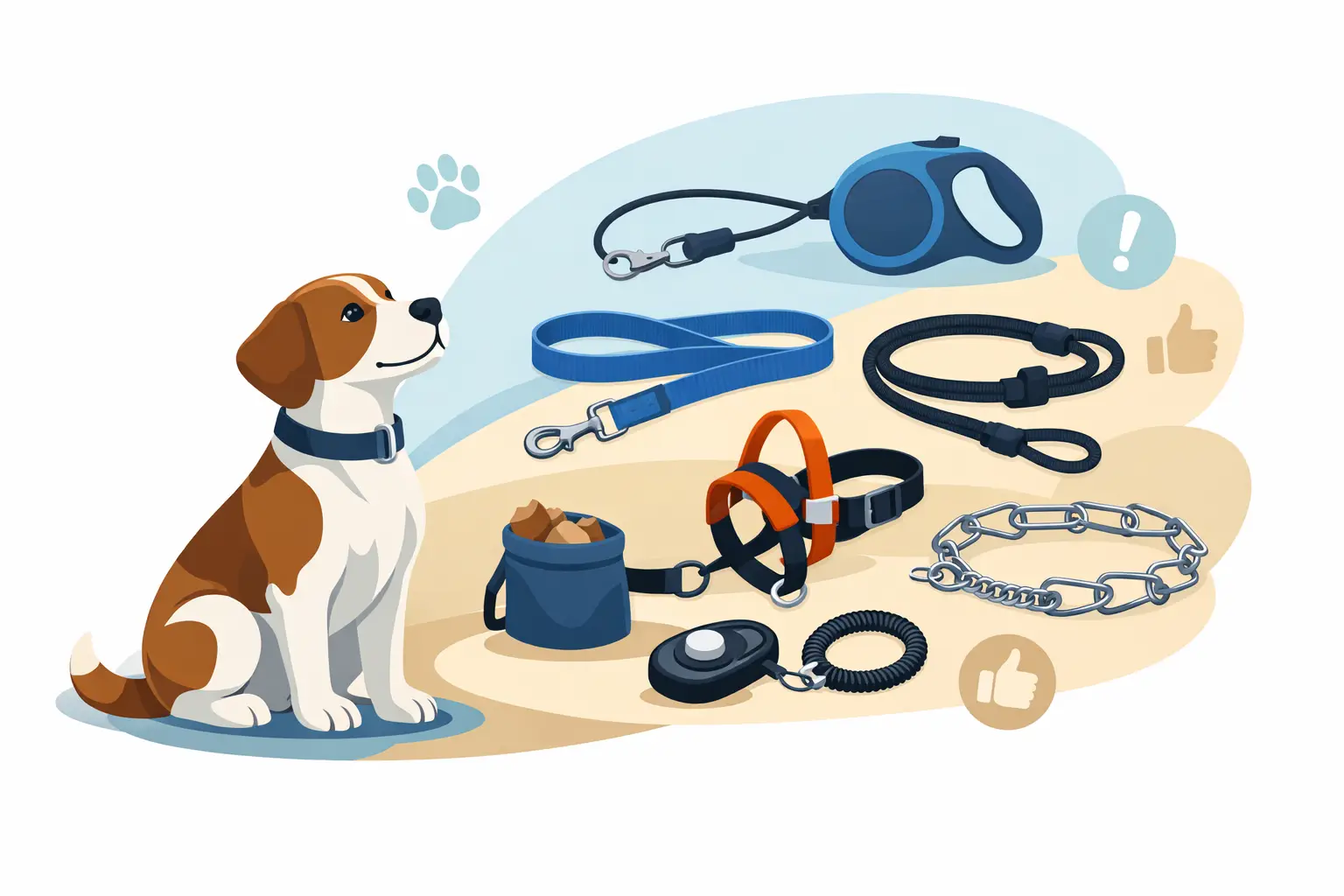
Fourth, manage the environment while the training catches up. Use a leash, a gate, or distance when needed. Management is not failure. It prevents the dog from rehearsing the exact behavior you are trying to change.
Calm greetings are a skill, not a personality trait
Some owners assume their dog is just too friendly, too energetic, or too young to greet people calmly. That is the wrong frame. Calm greetings are trained. They are built through repetition, timing, and follow-through.
And yes, some dogs are naturally more excitable than others. That is where the “it depends” part comes in. A mellow older dog may improve quickly once the rules are clear. A young, high-energy dog with a long history of jumping may take more structure and more reps. The principle is the same either way. Reward the behavior you want. Prevent the behavior you do not.
There is also a difference between improvement and proofing. A dog may stop jumping on you first and still jump on guests. That does not mean training failed. It means the dog has not generalized the skill yet. Dogs do not automatically apply one lesson to every person and every doorway.
Common mistakes that keep the problem going
One mistake is talking too much during the behavior. Repeating “off, off, off” often becomes background noise. Another is using attention as a correction, which many social dogs still enjoy. A third is expecting the dog to make a good choice in a situation you have not prepared for.
The biggest mistake, though, is asking for calm and then rewarding excitement because it feels good in the moment. That is the trap. Owners want the dog to be affectionate, happy, and connected. Of course they do. But if affection only shows up when the dog is bouncing off people, the dog learns to bounce harder.
Clear structure does not make your dog less loving. It makes your dog easier to live with.
When jumping is part of a bigger training issue
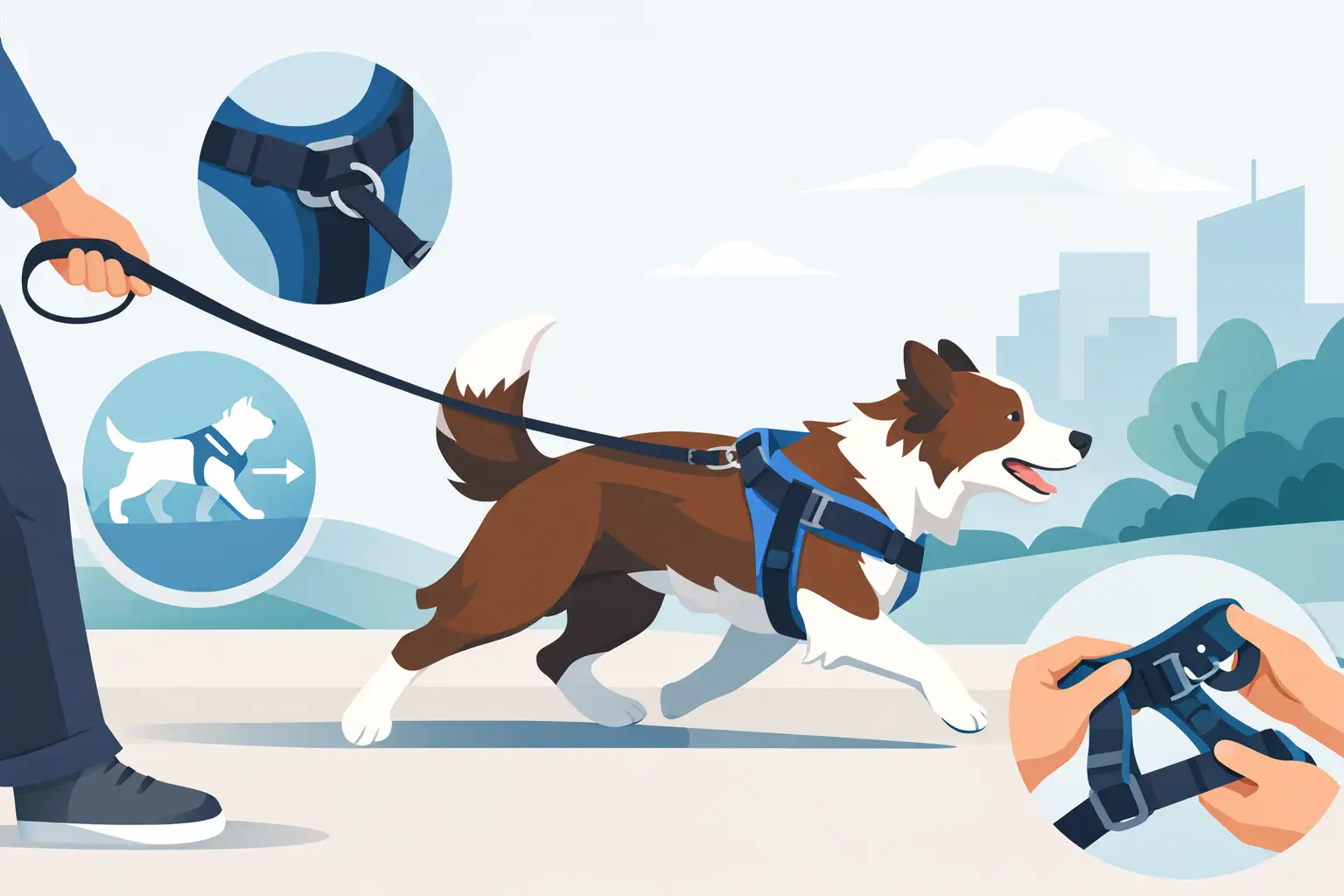
Sometimes jumping is not a stand-alone problem. It is part of a cluster that includes door rushing, barking at visitors, poor leash manners, frantic energy indoors, and weak response to commands when distractions show up. In those cases, the fix is not just about greetings. It is about impulse control, follow-through, and owner consistency across the day.
That is where many DIY plans fall apart. People try one trick for jumping, another for barking, and another for pulling, but the dog is really showing one larger issue - poor clarity and poor control in exciting moments. Once the household gets more consistent, several problems often start improving together.
For families in places like West Chester, Downingtown, or Malvern, that matters because real life is busy. Kids, deliveries, neighbors, guests, rushed mornings. Your dog does not need to be perfect. Your dog needs to be reliable enough that the house feels calmer and safer.
If you keep asking why does my dog jump, ask a second question too: what has my dog been practicing, and what have I been rewarding? That is where change starts.
A calmer dog is not built by hoping the excitement fades with age. It is built by showing the dog, clearly and consistently, what works instead - then following through until calm becomes the new habit.