Back
July 12, 2026 | Anthony Mazzenga
How to Stop Dog Doorway Rushing for Good
Structure creates Confidence
The front door opens, and your dog turns into a sprinter. Maybe they blast past you to chase a delivery driver, greet a neighbor, or investigate the yard. Maybe they body-check guests on the way in. Either way, learning how to stop dog doorway rushing is not about making your dog wait for the sake of looking obedient. It is about safety, control, and a calmer home.
A dog that rushes a doorway is practicing a behavior that rewards itself. The door opens, exciting things happen, and the dog gets there first. Every successful dash makes the next one more likely. Your job is to stop rehearsing that pattern and replace it with a clear routine your dog can follow every single time.
Why Dogs Rush Through Doorways
Door rushing is usually a mix of excitement, habit, and weak boundaries. The front door predicts visitors, walks, squirrels, packages, kids coming home, and everything else your dog finds interesting. If your dog has learned that excitement means charging forward, the behavior can become automatic.
Some owners accidentally feed the problem without realizing it. They open the door while the dog is barking, pull the dog back while continuing to move forward, or repeat “wait” five times before giving up. From the dog’s perspective, the message is unclear: rushing still works.
This is where owner consistency matters. Your dog does not need a louder command. They need a predictable consequence: calm behavior makes the door open, while rushing makes the opportunity pause.
How to Stop Dog Doorway Rushing: Start With Management
Before you train the behavior, prevent the dangerous version of it. A single escape can put your dog in traffic, create a conflict with another dog, or frighten a visitor. Management is not failure. It gives you control while the new habit is being built.
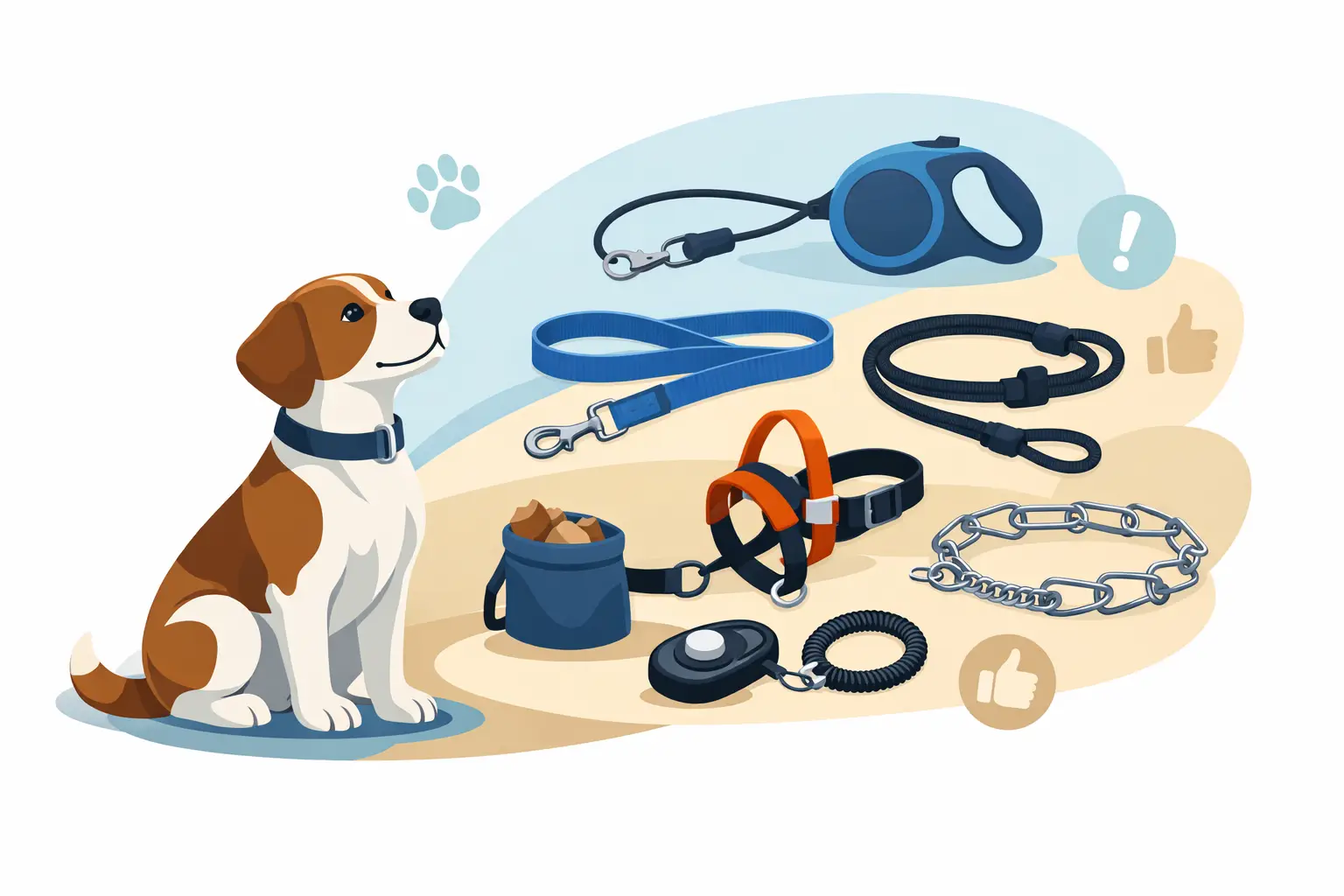
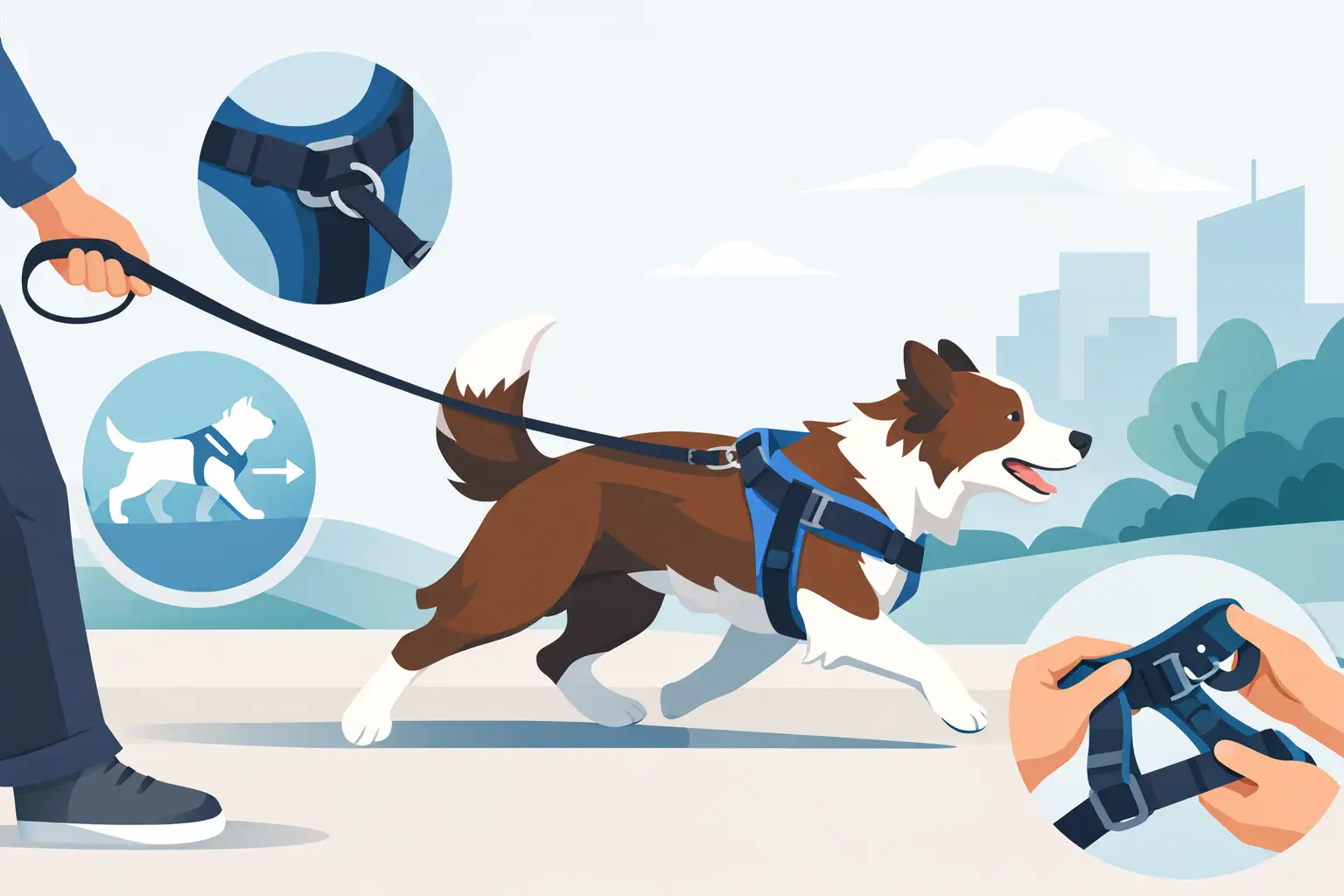
Use a leash when you expect someone at the door or when you are practicing near an open exterior door. A baby gate, closed interior door, or crate can also keep your dog safely away from the entry during busy times. This is especially useful when kids are coming and going, groceries are being carried in, or guests are arriving.
Do not rely on verbal commands you have not trained yet. If your dog is likely to bolt, set up the environment so they cannot practice bolting. Every prevented rush protects your progress.
Teach the Door to Open Only for Calm Behavior
The core lesson is simple: your dog’s behavior controls access to the doorway. Pulling, barking, jumping, or charging makes the door close or stay closed. A calm pause makes it open.
Start with a low-distraction practice session. Pick a time when no one is ringing the bell and your dog is not already worked up. Have small, high-value treats ready and keep your leash on if needed.
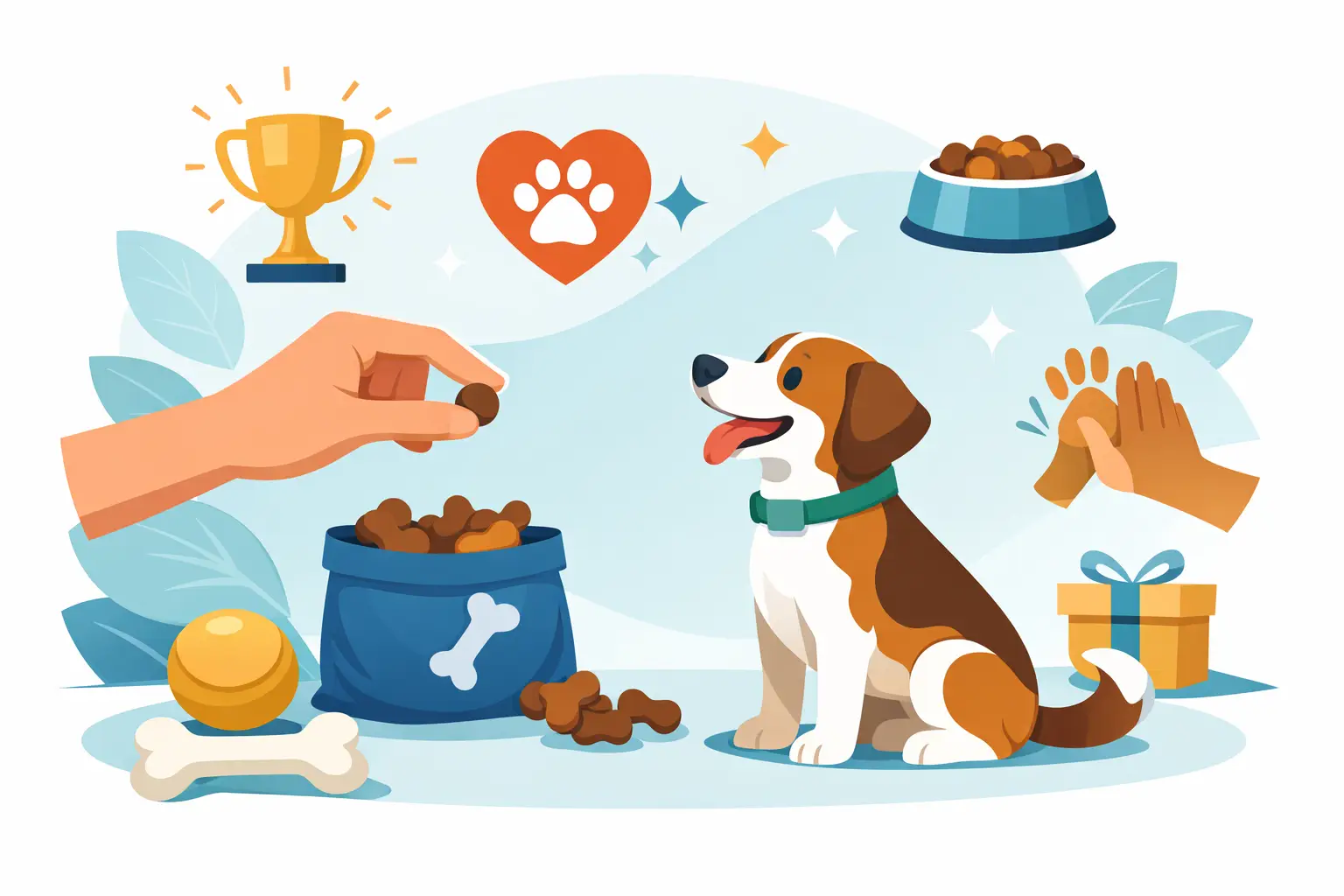
Stand a few feet from the door with your dog. If your dog moves toward it, calmly block access with your body or leash guidance. Do not argue, yank, or repeat commands. Wait for even a small moment of calm - four paws on the floor, a step back, eye contact, or a sit. Mark that moment with praise and reward it.
Then reach for the doorknob. If your dog surges forward, remove your hand. The door does not open. When your dog settles again, try once more. At first, you may only get as far as touching the knob. That is fine. Training is not about forcing a full door opening on day one. It is about teaching your dog what makes the process continue.
Once your dog can stay composed while you touch the knob, crack the door open an inch. If they rush, calmly close it. If they hold position, praise and reward. Build gradually: one inch, a few inches, halfway open, fully open. Your dog earns progress through self-control.
Short sessions work best. Five focused minutes of consistent practice will accomplish more than twenty minutes of frustration.
Add a Clear Place or Wait Cue
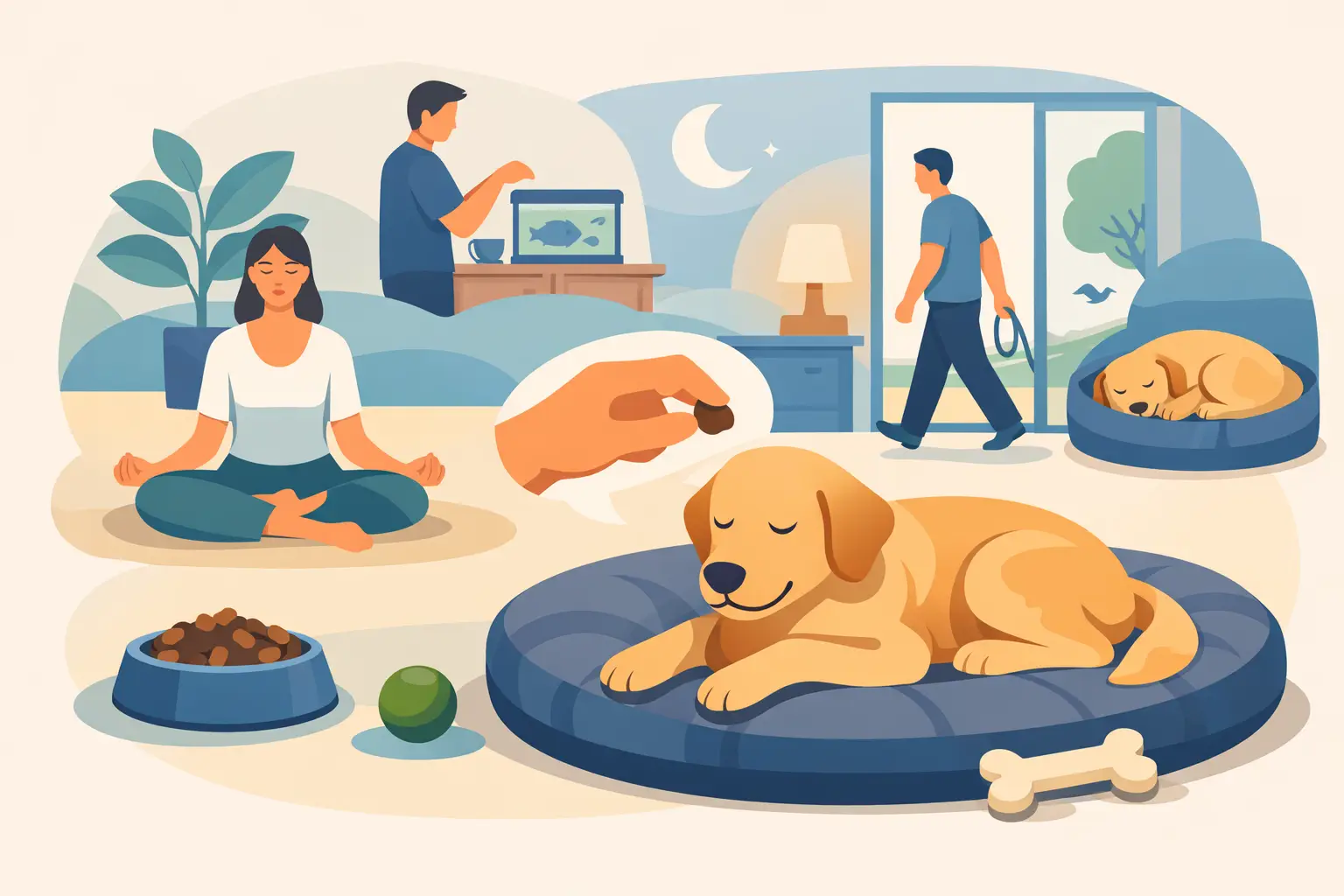
A “place” cue can make doorway training much easier for busy households. Choose a bed, mat, or raised cot positioned far enough from the door that your dog cannot immediately launch through it. Teach your dog that going to that spot and staying there is rewarding.
Ask for place before you approach the door. Reward your dog for remaining on the spot while you touch the handle, open the door, and take a step outside. Then return and reward again. At first, do not expect a long stay. Build duration slowly and release your dog only when you are ready.
A wait cue can work too, particularly for routine exits into a fenced yard or getting out of the car. The difference is practical: “place” gives the dog a physical destination, while “wait” asks for a pause at a boundary. Many families benefit from teaching both.
Use one release word consistently, such as “okay” or “free.” Without a release cue, many dogs decide for themselves when the exercise is over. Your dog should learn that waiting is not permanent, but moving forward happens only after permission.
Practice the Real-Life Triggers
Training falls apart when it only happens in a quiet hallway. Your dog may wait beautifully when nothing is going on, then lose control when the doorbell rings. That does not mean the training failed. It means you need to practice the situation in smaller, manageable pieces.
Begin with mild versions of the trigger. Have a family member knock softly, then work through your doorway routine. Next, try a louder knock. Later, practice with someone standing outside, then with that person entering. If your dog becomes too excited to respond, the step was too difficult. Make it easier and build back up.
For visitor greetings, give your dog a job before the guest comes inside. Send them to place, reward calm behavior, and ask the guest to ignore jumping or barking. Your guest should not be responsible for training your dog, but they can support the routine by waiting until your dog is under control.
If your dog breaks position, do not scold after the fact. Calmly reset. Bring them back to the designated area, reduce the difficulty, and try again. Repetition matters, but so does quality. Ten chaotic greetings will strengthen the wrong behavior.
Common Mistakes That Keep Door Rushing Alive
The biggest mistake is inconsistency. If your dog must wait most of the time but gets to charge out when you are late for work, the behavior becomes harder to change. Intermittent rewards are powerful. Your dog will keep trying because sometimes the rush pays off.
Another mistake is using the door only when something exciting is about to happen. Practice opening and closing it when there is no walk, visitor, or backyard adventure waiting. This lowers the emotional charge around the movement of the door itself.
Avoid making the doorway a wrestling match. Constantly grabbing your dog’s collar, shoving them back, or shouting can increase excitement and create more conflict around the entry. Be calm, firm, and clear. The consequence should come from access: calm opens doors, impulsive behavior closes them.
Finally, do not expect young dogs, newly adopted dogs, or highly energetic dogs to have polished impulse control overnight. They can learn it, but they need structure. Set the standard, practice it daily, and stop giving exceptions when life gets busy.
When to Get Help
Door rushing becomes more urgent when it includes growling, intense barking at visitors, snapping, escaping, or an inability to settle after the door closes. Those situations need a tailored plan, not random advice from the internet.
A coach-led training program can help you identify what is driving the behavior and show every person in the household how to respond. That matters because dogs notice when one person maintains the rule and another person lets it slide. For families in Chester County and nearby Philadelphia suburbs, Echo Dogs Training works with real household routines so door manners hold up when life is actually happening.
The goal is not to make your dog afraid of the front door. The goal is to give them a better answer when excitement hits. A dog that pauses, checks in, and waits for permission is safer, more confident, and easier to live with. Start with the next time you reach for the handle, and make calm behavior the only behavior that moves the door forward.