Back
June 9, 2026 | Anthony Mazzenga
7 Best Dog Training Goals for Families
You do not need a dog who looks perfect in a training class. You need a dog who can live well with your family on a real Tuesday morning. That is why the best dog training goals for families are not flashy tricks. They are practical habits that make your home safer, calmer, and easier to manage when kids are moving, guests are arriving, and nobody has extra time for chaos.
A lot of families aim too vaguely. They say they want a "better behaved dog," but that is not a training goal. It is a wish. Good goals are specific, repeatable, and tied to the moments that actually create stress. If your dog jumps on Grandma, drags your arm down the street, barks at the doorbell, or blasts through open doors, those are the places to start.
Best dog training goals for families start with daily life
The right goals depend on your household. A family with toddlers needs different priorities than a retired couple with a quiet home. But most homes benefit from the same core foundation: impulse control, clear communication, and reliability under distraction.
That last part matters. Plenty of dogs can listen in the kitchen when nothing is going on. Fewer can listen when the Amazon driver shows up, the neighbor's dog is barking, and one of the kids left the front door half open. Family dog training has to work in real life, not just in a low-stress practice session.
Here are the goals worth prioritizing.
1. Calm greetings at the door
If your dog loses control when people come in, that is not a minor manners issue. It affects safety, stress, and your willingness to have people over. Jumping, spinning, barking, and rushing the doorway can scare children, overwhelm guests, and create a lot of tension in the home.
A strong family goal is simple: when the door opens, the dog stays under control. That may mean holding a place, waiting at a boundary, or greeting with four paws on the floor. The exact method can vary, but the goal stays the same.
This one takes owner discipline. If family members sometimes reward wild greetings with attention and then get frustrated later, the dog gets mixed messages. You cannot rehearse chaos all week and expect calm on the weekend.
What success looks like
Success is not your dog becoming a statue. Success is your dog responding to a known routine when someone arrives. The dog may be excited, but still able to listen.
2. Doorway control and no bolting
This is one of the most important safety goals for any family. A dog that charges through doors, gates, or the car hatch is one mistake away from a dangerous situation.
The training goal here is not just "sit at the door." It is bigger than that. Your dog needs to understand that open space does not equal permission. Release matters. Patience matters. Your consistency matters most of all.
For families, this goal pays off fast. It lowers risk when kids are coming in and out, when groceries are being carried, or when everyone is distracted. It also creates a calmer state of mind in the dog. Impulse control at thresholds often improves behavior in other places too.
3. Loose-leash walking the family can actually manage
If one adult is the only person who can walk the dog, that is a household problem. The best dog training goals for families include leash skills that work for more than the strongest person in the home.
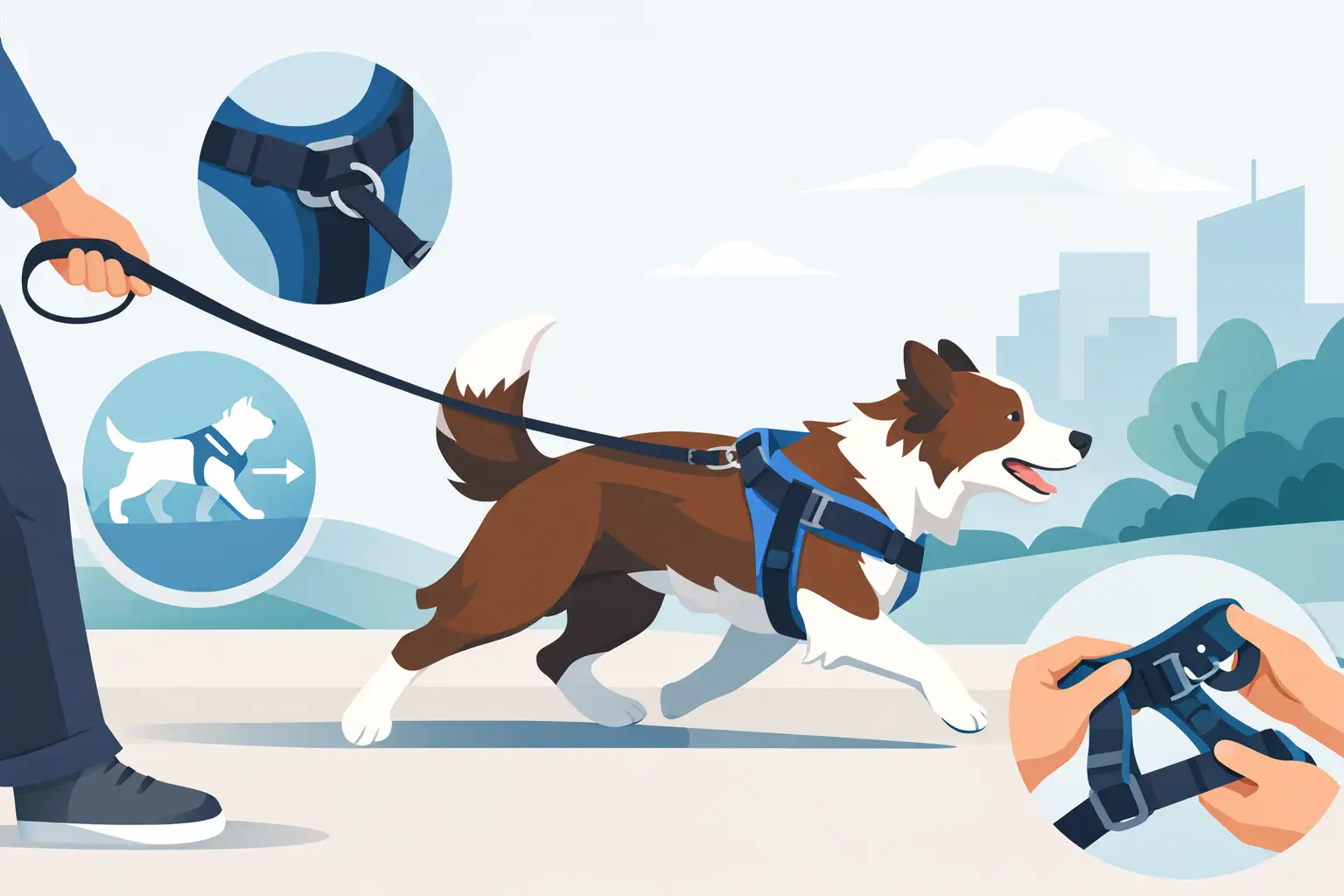
A useful goal is this: the dog can walk without dragging, lunging, or zigzagging through the entire neighborhood routine. That includes leaving the driveway, passing common distractions, and turning back toward home without a fight.
There is a trade-off here. Some families want a highly structured heel all the time. Others just want a walk that does not feel like a workout. For most homes, practical loose-leash walking is enough. The dog does not need to be glued to your leg. The dog does need to stay connected and responsive.
Why this goal matters so much
Walks are one of the most repeated parts of dog ownership. If they are stressful, frustration builds every day. If they are manageable, the whole relationship improves.
4. Reliable response to basic commands under distraction
Sit, down, come, place, and leave it are only useful if they hold up when life gets messy. A dog who "knows" a command but ignores it when excited does not really own the skill yet.
For a family dog, reliability matters more than a long list of commands. A short list done well is far more valuable than ten cues with weak follow-through. Your goal should be clear compliance the first time, or close to it, in the environments where you actually need help.
That means practicing beyond the living room. Front yard. Sidewalk. Around visitors. During meal prep. Before the leash goes on. Around the doorbell. Training that only happens in perfect conditions usually stays there.
This is where many owners get stuck. They confuse exposure with training. Taking your dog into a distracting environment without a plan is not the same as teaching the dog how to respond there.
5. Less barking, especially around common triggers
Not all barking is the same. Some dogs bark from excitement. Some bark from insecurity. Some bark because the behavior has worked for them for a long time. Families do not need a silent dog. They need a dog that can settle instead of sounding the alarm every time a person walks past the window.
A strong goal is trigger-specific. For example, your dog can notice the mail carrier without exploding. Your dog can hear the doorbell and go to a place. Your dog can stop barking when given direction.
That is more realistic than expecting barking to vanish overnight. It also helps you train the actual issue instead of reacting emotionally in the moment.
It depends on the dog
If barking is tied to fear, pressure and punishment from frustrated owners often make things worse. If barking is driven by over-arousal and habit, structure and repetition are usually the missing pieces. Either way, yelling across the room rarely teaches anything useful.
6. Better behavior around kids
Families with children need training goals that protect both sides of the relationship. Dogs should not be pestered, cornered, climbed on, or treated like toys. Kids also should not have to brace themselves every time the dog comes racing through the room.
The goal is not just "dog likes kids." The goal is that the dog can stay calm, responsive, and appropriately managed around child movement, noise, food, and unpredictability.
That may mean teaching the dog to settle on a mat during family activity, wait politely during snack time, or disengage from rough play energy. It also means coaching the humans. A lot of so-called dog issues are really household management issues.
Parents especially need honesty here. If your dog gets over-aroused around children, hoping it will improve with age is not a strategy. Clear boundaries and routine are.
7. A real off-switch in the house
Many families focus so much on command training that they skip one of the most valuable goals of all: calm behavior with nothing happening. A dog who can settle in the home is easier to live with than a dog who performs cues but stays mentally chaotic.
This matters for remote work, dinner, homework, guests, and evenings when everybody is done for the day. The goal is that your dog can relax without constant entertainment, demand barking, pacing, or attention-seeking.
Some dogs need more help learning this than others. High-energy dogs are not wrong for having energy, but they still need to learn how to come down. Structured exercise helps. So does consistent downtime practice. What does not help is accidentally rewarding pushy behavior because you are tired and want the barking to stop.
How to choose the right family dog training goals
Start by asking one blunt question: what behavior causes the most stress in your day-to-day life? That is usually your first goal.
Do not pick goals based on what looks impressive online. Pick goals that remove friction from your home. For one family, that is leash manners. For another, it is stopping door rushing. For another, it is getting the dog to settle while the kids do homework.
Then narrow it down. Trying to fix everything at once usually leads to inconsistent effort and weak results. Two or three priorities, trained consistently, beat a long wish list every time.
Why families struggle with follow-through
Most dog owners are not failing because they do not care. They are failing because they are inconsistent, tired, and accidentally rewarding the very behavior they say they want to stop.
That is not an insult. It is just the truth. Dogs learn from repetition, not good intentions.
If one person allows jumping, another repeats commands five times, and someone else laughs when the dog steals socks, the dog is getting trained all day long. Just not in the direction you want. Good family training requires agreement. Same rules. Same expectations. Same consequences.
That is one reason coach-led training works so well for busy households. It gives everybody the same playbook. Echo Dogs Training sees this all the time with families across Chester County and the Philadelphia suburbs. Once the humans get clear and consistent, the dog usually starts getting clearer too.
The goal is not perfection. The goal is a dog your family can trust more, enjoy more, and guide with confidence. If you set practical goals and actually follow through, daily life gets lighter. And that is the kind of progress that matters.