Back
July 27, 2026 | Anthony Mazzenga
Dog Behavior Help Malvern Owners Can Use
Start With the Behavior That Disrupts Life Most
The front door opens, your dog launches toward it, someone starts barking, and the whole house feels like it is running behind. That is the moment most owners begin searching for dog behavior help Malvern families can actually use. Not a trick that works once in the kitchen. A plan that holds up when the kids come home, a package arrives, or a neighbor passes on your walk.
Most frustrating behavior is not a mystery. It is a pattern. The dog repeats what has worked before, while the people in the house respond differently from one moment to the next. The good news is that patterns can change. The honest part is that your habits have to change with them.
Start With the Behavior That Disrupts Life Most
Owners often arrive with a long list: jumping, barking, pulling, ignoring commands, stealing food, rushing the door. All of it matters, but trying to fix everything at once usually creates more inconsistency. Pick the behavior that is creating the biggest daily problem or safety concern and start there.
For many Malvern households, that is doorway behavior. A dog that bolts through the front door can turn a normal morning into a dangerous chase. For others, it is visitor greetings. A friendly dog that jumps can still knock over a child, scare a guest, or leave everyone bracing for the next knock.
Name the problem in plain language. Then decide what you want instead. “Stop jumping” is not as useful as “keep four paws on the floor when a person enters.” “Stop barking” is not as useful as “go to your place and settle after the doorbell.” Training gets clearer when the desired behavior is clear.
Dog Behavior Help in Malvern Starts With Your Routine
Dogs do not separate training from real life. Every time your dog rushes through an open doorway, pulls you toward another dog, or receives attention while jumping, they are learning from the result. That does not mean you should blame yourself. It means you have leverage.
“Your dog’s behavior is influenced by your behavior.” That is not a guilt trip. It is the practical starting point for change.
Look at the moments before the behavior happens. If the doorbell causes chaos, do not wait for a delivery driver to rehearse the problem. Build a short practice routine at a quiet time. Ask your dog to go to a designated spot, reward calm behavior, and practice opening and closing the door without allowing the rush. Keep the exercise simple enough that every adult in the house can follow it.
Consistency matters more than a dramatic training session once a week. Five focused minutes before work, a controlled greeting after dinner, and the same expectations every time the leash comes out can make a real difference. A busy family does not need to train all day. They do need to stop practicing the unwanted behavior by accident.
The Rule Has to Be the Rule
Mixed messages slow everything down. If jumping earns attention from one person but gets corrected by another, the dog learns to keep trying. If the dog must wait at the door on weekdays but is allowed to dash out when everyone is in a hurry, the doorway rule becomes optional.
Decide what the house rules are, explain them to everyone involved, and make them realistic. A rule you cannot maintain is not a rule. It is a wish.
This is especially important in homes with children. Kids should not be responsible for managing a difficult behavior alone, but they can participate in appropriate ways. They can help reinforce a calm greeting, avoid exciting a dog already over threshold, and understand why following the same routine matters.
Barking Is a Message, Not a License to Ignore It
Barking at windows, doors, people, and dogs can have different causes. Your dog may be alarmed, excited, frustrated, territorial, or simply accustomed to the routine. The approach depends on what is driving the barking, which is why generic advice often falls flat.
A dog that barks once or twice when someone approaches the house is different from a dog that cannot recover for ten minutes after a car door closes. The first may need a clear, practiced response after the alert. The second may need help building calmness and a different association with the trigger.
Start by managing what you can. Limit access to the window that fuels nonstop neighborhood patrol. Avoid letting your dog charge the front door every time it opens. Create distance on walks instead of forcing a close pass with something your dog cannot handle yet.
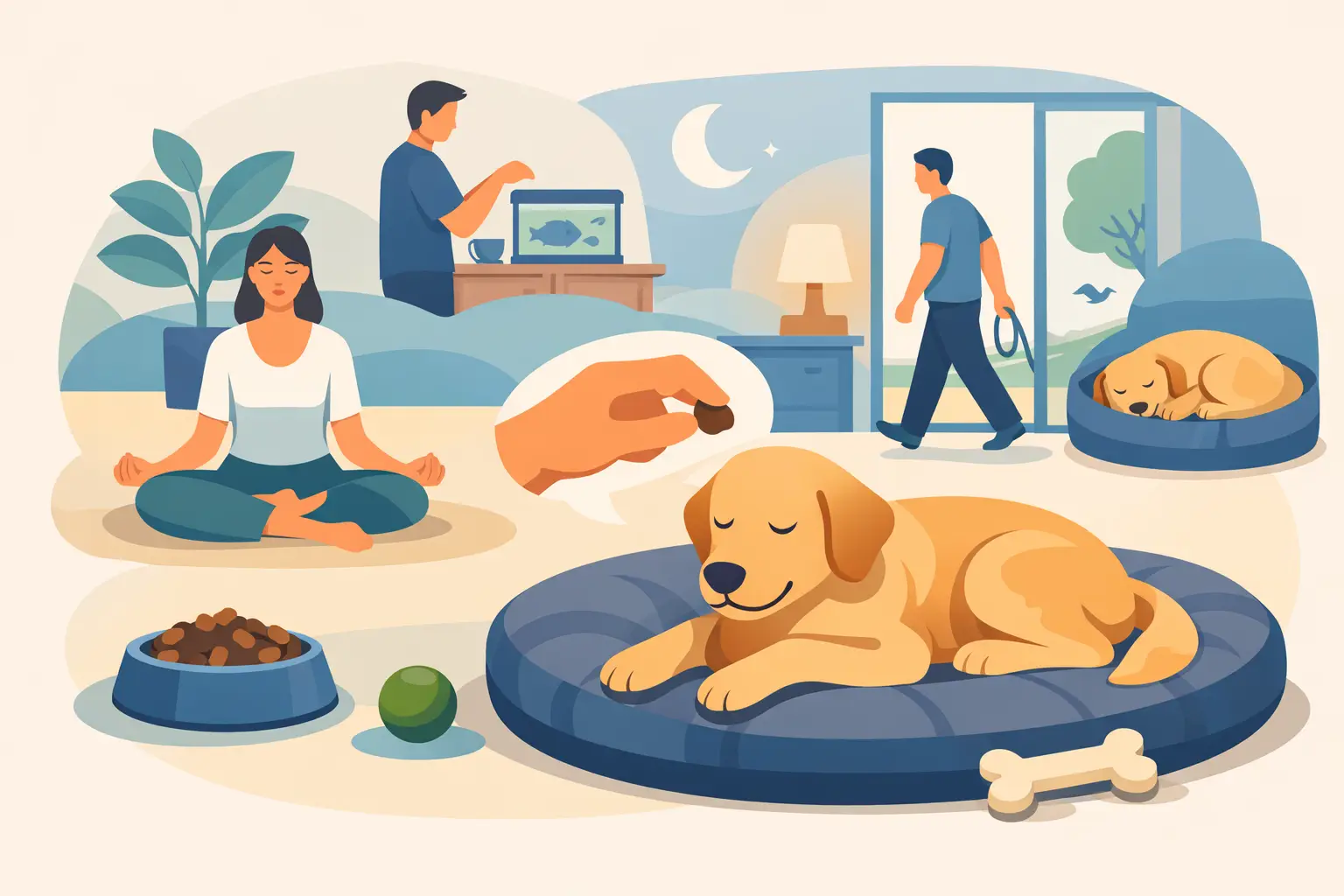
Then teach an alternative. A dog cannot be actively settling on a mat and repeatedly launching at the window at the same time. Calm, usable behaviors give you something to reinforce. Yelling from across the room usually adds energy to an already noisy moment. Clear direction, timing, and follow-through work better.
A Better Walk Is Not Just About a Loose Leash
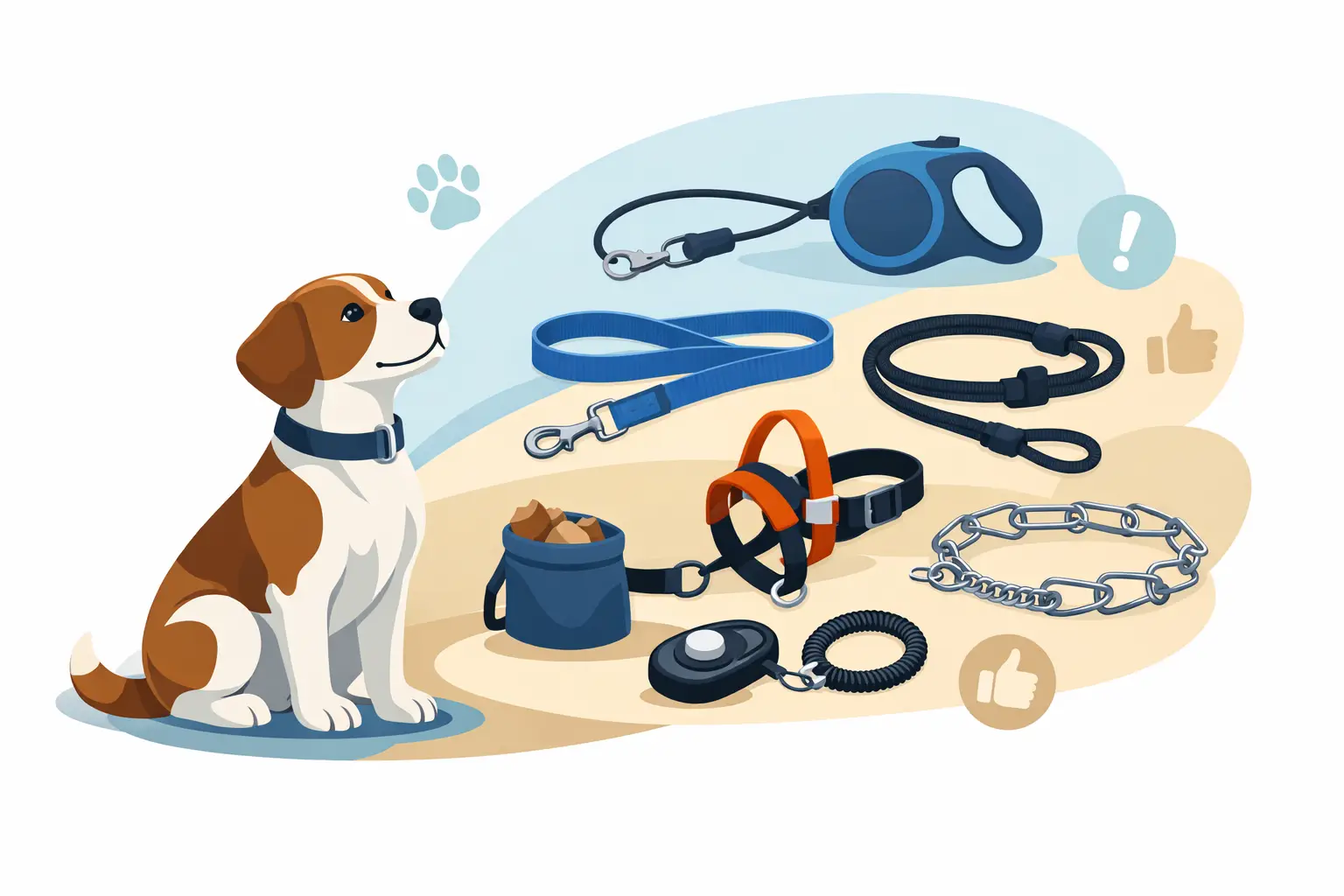
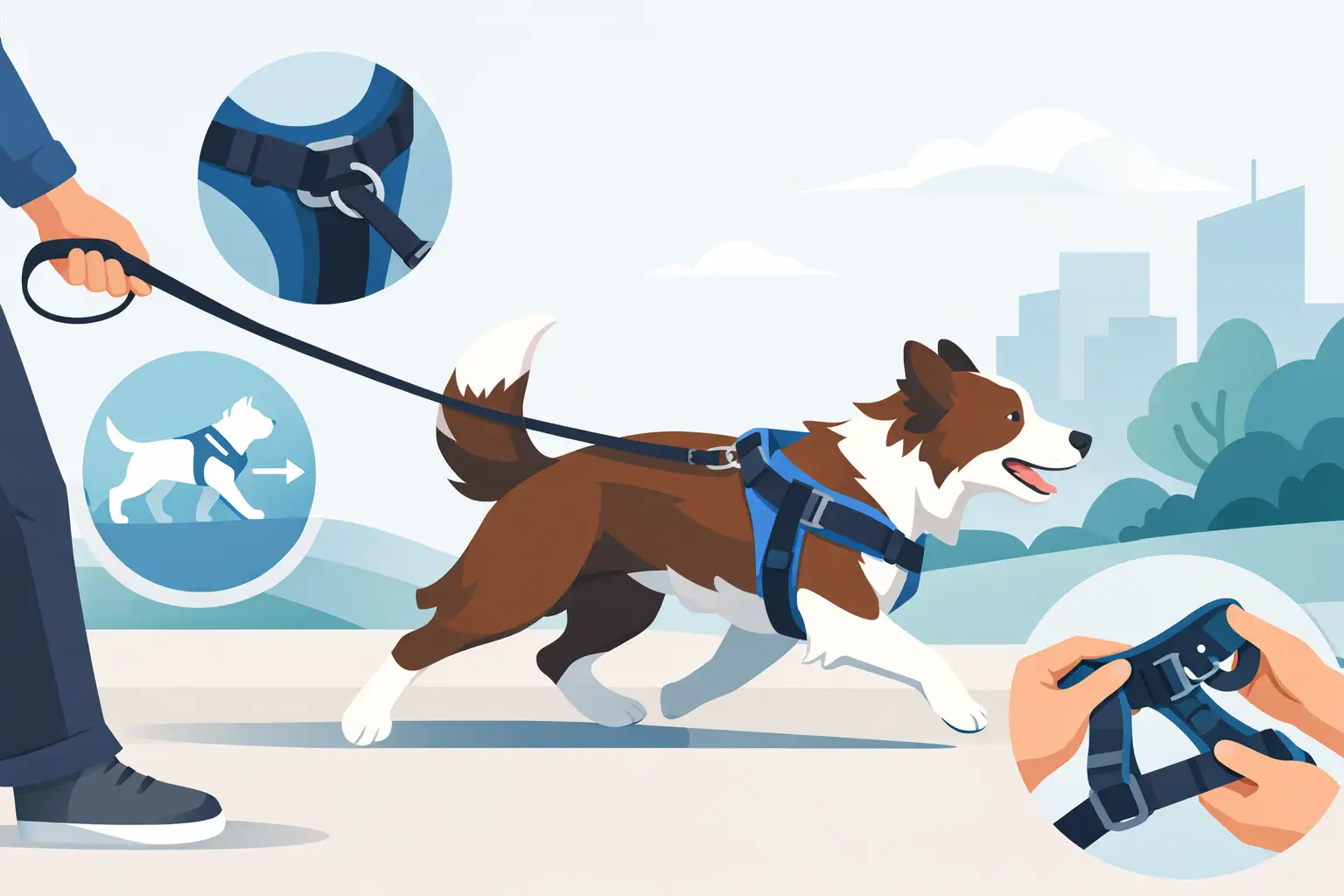
Leash pulling is exhausting, particularly when it happens every day. But a calmer walk begins before you reach the sidewalk. If your dog is already bouncing, vocalizing, and dragging you toward the door, the walk has started in a state of high excitement.
Pause. Ask for a moment of composure before clipping the leash on or opening the door. This is not about making your dog perfectly still for five minutes. It is about teaching that moving forward is connected to self-control.
Once outside, be honest about your dog’s current skill level. A crowded trail, close dog encounter, or busy sidewalk may be too much right now. Creating space is not failure. It is smart handling. Work at a distance where your dog can still respond, then gradually build reliability as their focus improves.
Do not expect your dog to make the right choice if they have never been shown what that choice looks like. Reward check-ins. Reinforce walking beside you. Change direction before pulling becomes a full-body tug-of-war. Your goal is not to win a battle of strength. Your goal is a dog that understands how to move through the world with you.
Confidence and Boundaries Work Together
Some dogs appear “stubborn” when they are actually unsure. A dog that freezes, avoids, barks at unfamiliar things, or becomes frantic in new places may need confidence-building work as much as they need obedience practice.
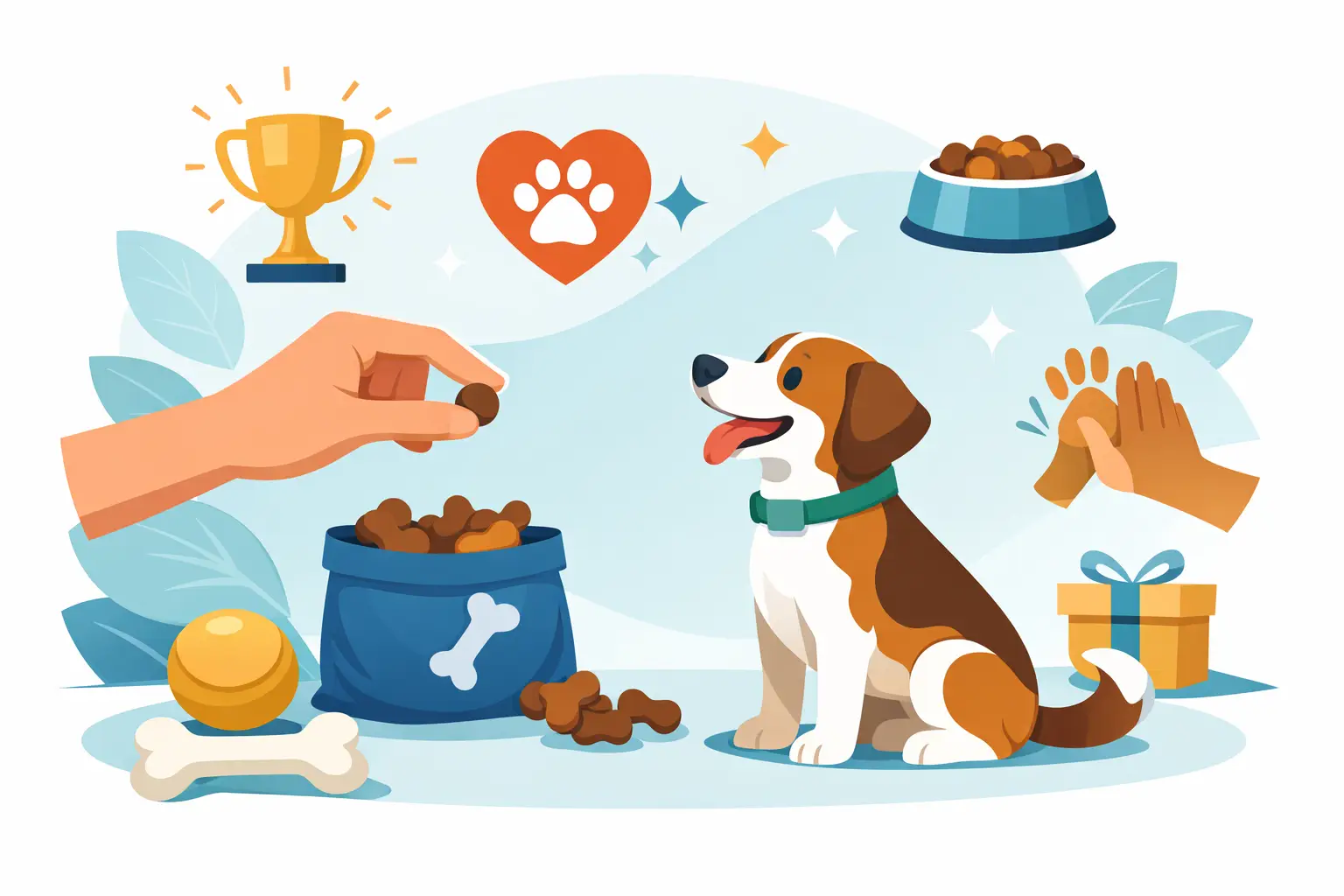
Confidence is not created by pushing a dog into situations they cannot process. It comes from small wins, predictable guidance, and clear expectations. Give your dog a task they can succeed at. Ask for simple, known behaviors in a new environment. Allow them time to think, then reward the effort and progress.
Boundaries are part of that security. Dogs often do better when someone is calmly in charge of decisions around doors, greetings, food, and walks. Structure is not harsh. Done well, it makes daily life less confusing.
When DIY Efforts Keep Stalling
There is no prize for struggling alone while your dog rehearses the same behavior for another six months. Professional support can be useful when the problem is escalating, safety is a concern, multiple people in the home are responding differently, or you are simply tired of guessing.
The right training plan should address the dog in front of you and the life you actually live. A young, overly social dog that jumps on every guest needs a different plan than a dog that barks and growls when someone enters the room. Both need clear owner follow-through, but the details matter.
Echo Dogs Training works with owners across Chester County who want practical, livable improvement: calmer doorways, better walks, reliable manners, and more confidence on both ends of the leash. Progress comes from coaching, repetition, and expectations that make sense at home, not from hoping your dog will outgrow the problem.
Your dog does not need a perfect owner. They need a consistent one. Start with the next predictable problem moment, decide what calm behavior should look like, and be ready to guide it every time. That is how a stressful home starts becoming a calmer one.