Back
July 31, 2026 | Anthony Mazzenga
Reactive Barking Turnaround Training Example
The Starting Point: A Walk Nobody Enjoyed
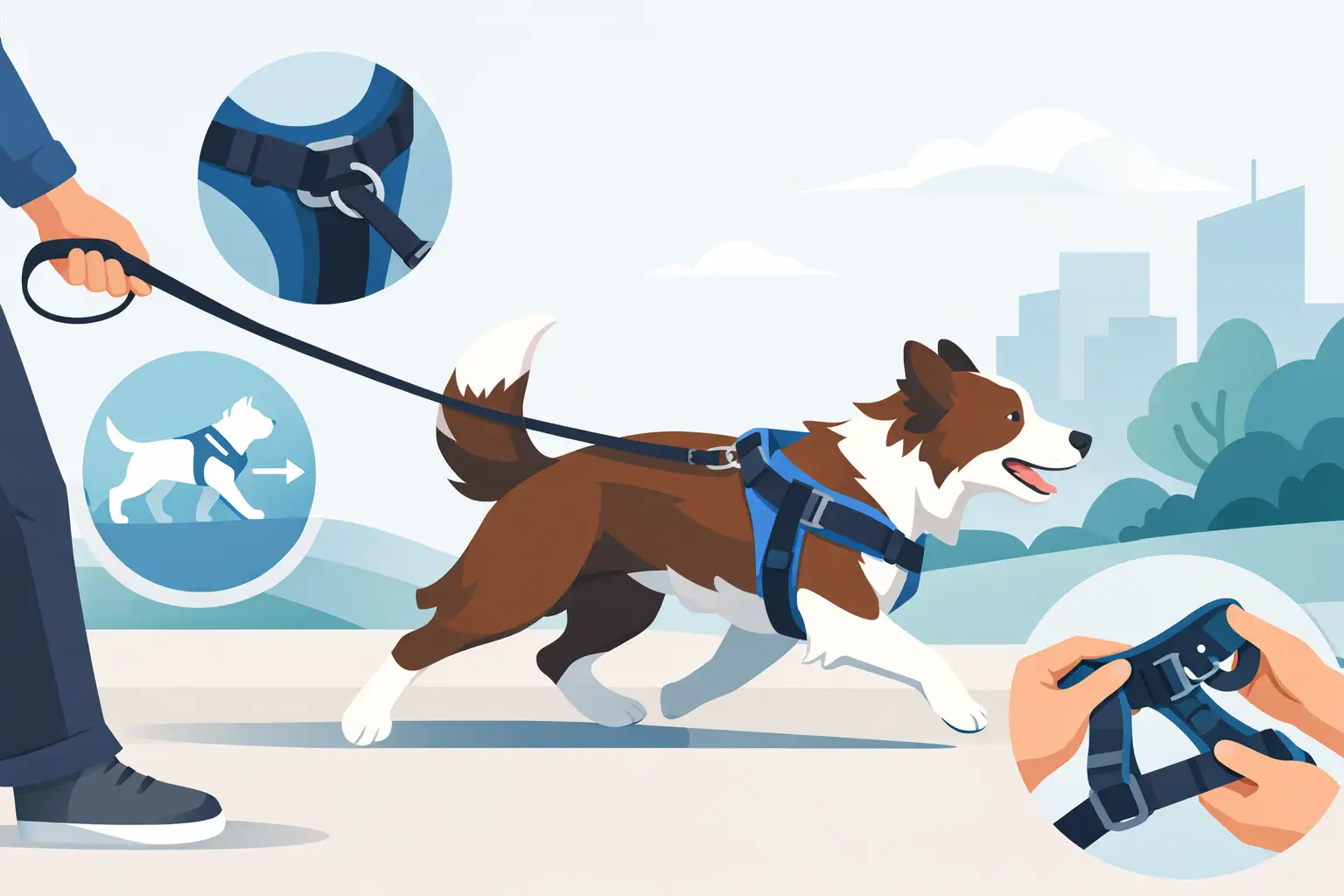
The walk usually falls apart before you reach the second driveway. Your dog spots another dog across the street, locks in, then barks, lunges, and pulls hard enough to make your shoulder ache. You apologize, turn around, and head home frustrated. This reactive barking turnaround training example shows what meaningful progress can look like when the owner stops rehearsing chaos and starts practicing a clear plan.
Reactivity is not a character flaw. Your dog is not trying to embarrass you, and you are not failing because one walk went badly. But repeated barking, staring, pulling, and exploding at triggers will not improve on their own. Every uncontrolled reaction is practice. If you want a calmer dog, your handling has to change before your dog can change.
The Starting Point: A Walk Nobody Enjoyed
Meet "Milo," a two-year-old mixed-breed dog whose owners loved him at home but dreaded neighborhood walks. He was friendly with family, playful in the yard, and generally responsive indoors. Outside, especially when he saw another dog, he became a different dog.
At first sight of a dog, Milo would freeze. His body got stiff, his mouth closed, and his eyes stayed fixed on the trigger. His owners often tried to reassure him, repeat his name, or pull him away once the barking started. By then, Milo was already over his limit. He barked until the other dog passed, then stayed keyed up for the rest of the walk.
The problem was not that Milo had never heard his name or did not know a sit command in the kitchen. The problem was that his owners were asking for obedience after he had already lost the ability to think clearly. They also walked too close to triggers because they hoped he would "get used to it." Instead, he got more practice reacting.
That is a common pattern around Malvern, Paoli, West Chester, and the rest of the Philadelphia suburbs. Narrow sidewalks, dogs behind fences, runners, delivery drivers, and busy family schedules can turn every outing into a pressure cooker. The answer is not avoiding walks forever. It is learning how to make better decisions before the barking begins.
The Reactive Barking Turnaround Training Example
Milo's turnaround did not start with a dramatic confrontation. It started with distance.
For the first week, his owners stopped trying to pass every dog on the same sidewalk. When they saw another dog, they crossed the street early, stepped into a driveway, or calmly changed direction. Their job was to keep Milo far enough away that he could notice the dog without barking.
That distance was not "letting him win." It was creating a workable training zone. A dog cannot learn calm behavior while overwhelmed. If Milo was staring hard, pulling forward, or ignoring his handler completely, the distance was too small.
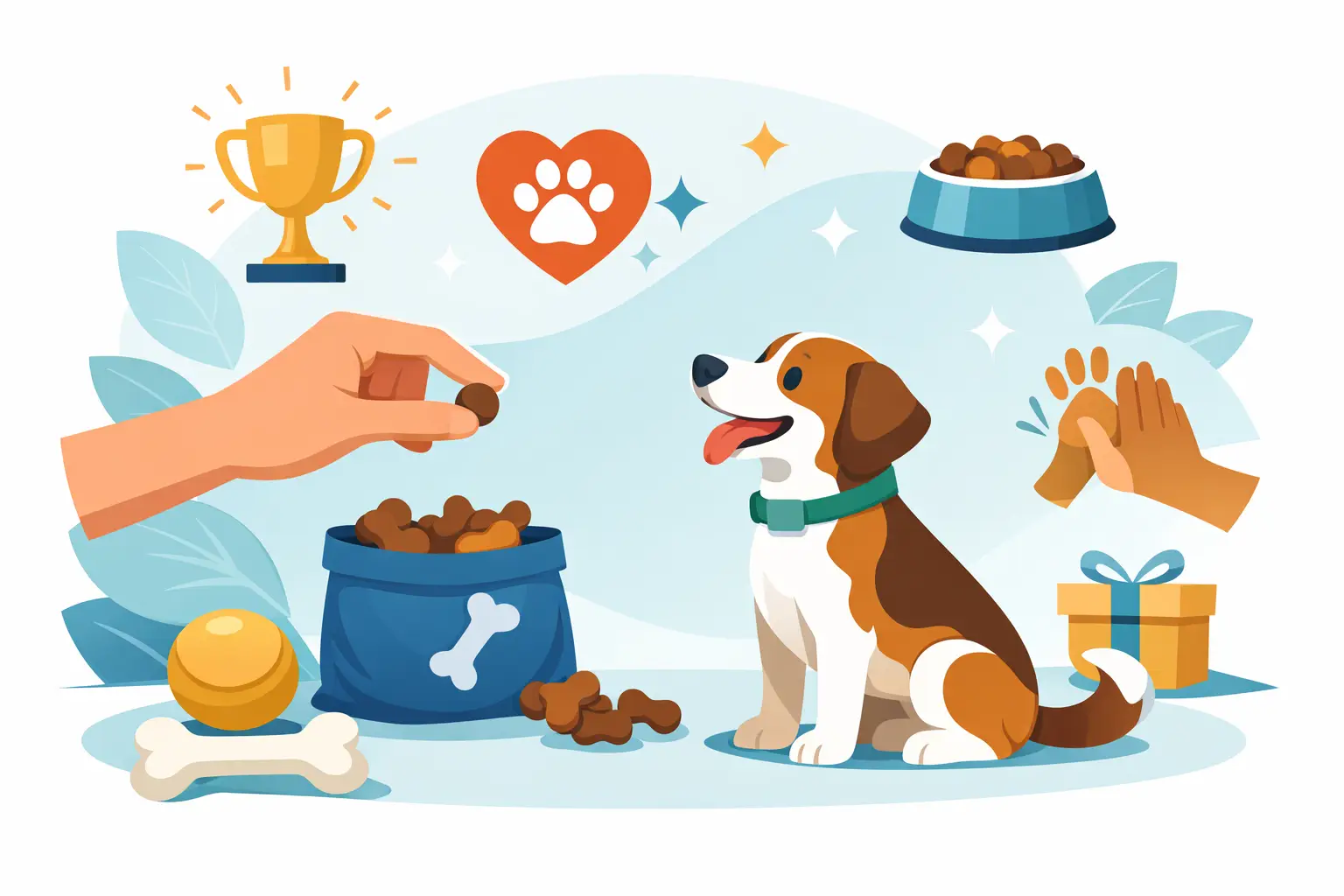
At a safe distance, the owners practiced a simple sequence: notice the dog, turn attention back to the handler, then move on. They used a clear verbal marker and rewarded the choice to disengage. The reward was not a bribe for bad behavior. It was payment for the behavior they wanted repeated: checking in, following direction, and staying under control.
The timing mattered. If they waited until Milo barked, they were late. The useful moment was when he first noticed a trigger but still had enough composure to respond. This required the owners to stop scrolling, stop chatting through the walk, and pay attention to what was ahead. Training is active. Your dog needs you present.
Week One: Fewer Explosions, Not Perfect Walks
During the first several walks, Milo still reacted when dogs appeared too suddenly or too close. That was expected. The goal was not perfection. The goal was reducing the number of full blowups and shortening recovery time.
His owners learned to read his early signals: the sudden stare, weight shifting forward, ears tightening, and slower response to familiar cues. When they saw those signs, they created space immediately. No arguing with the leash. No frantic repetition of commands. Just a calm, purposeful change of direction.
By the end of the week, Milo had several walks with no barking at dogs across the street. He was not ready to greet them. He did not need to be. Calm observation was the win.
Weeks Two Through Four: Build a Different Habit
Once Milo could regularly see dogs at a distance without exploding, his owners began working in slightly more challenging environments. They chose quiet times of day and wide routes where they had room to move. They did not increase difficulty because they were impatient. They increased it because Milo was showing he could handle the current level.
They also practiced attention and movement skills away from triggers. A dog that cannot follow direction in a quiet parking lot is unlikely to respond when another dog appears around a corner. Short sessions at home, in the yard, and on calm streets helped make the desired behaviors familiar before pressure showed up.
Milo's owners stopped treating walks as a test of whether he would behave. They treated them as training sessions with a plan. Some days that meant a shorter route. Some days it meant turning around after one successful pass. That is not quitting early. It is ending on a rep your dog can learn from.
By week four, Milo could see most dogs on the opposite side of the street, look back to his handler, and continue walking. Close sidewalk passes still required management. A surprise dog coming out of a house could still trigger barking. Progress did not mean Milo was suddenly social with every dog. It meant his owners had the skills to keep situations from spiraling.
Why the Turnaround Worked
Milo improved because his owners changed the pattern consistently. They stopped walking him into situations he could not handle. They stopped waiting for barking before acting. They gave clear direction, rewarded better choices, and repeated the work often enough for it to matter.
This is where many families get stuck. They want a new response from their dog but keep following the same routine: rushed walk, crowded path, trigger appears, dog reacts, owner pulls harder, everybody goes home upset. Your dog learns from the routine you repeat, not from the lecture you give after it goes wrong.
Consistency does not mean every walk looks identical. It means your standards remain clear. Barking and lunging are not allowed to control the direction of the walk. At the same time, your dog is not pushed beyond what he can handle just to prove a point. Good training balances accountability with fair guidance.
What Owners Can Do This Week
Start by choosing routes and times that give you room to create distance. Keep walks shorter if needed so you can stay focused. Bring rewards your dog genuinely values, and use them before your dog reaches the barking stage.
Practice turning away and moving with purpose in low-distraction places. Your dog should learn that following you is normal, not a last-second emergency move. Then begin watching for the first signs of fixation. The earlier you respond, the more useful your response becomes.
Do not measure success only by whether your dog barked. Measure how quickly your dog recovered, whether you noticed the trigger early, and whether you made a better choice than last time. Those small wins are how real behavior change is built.
If your dog reacts intensely, recovers slowly, or your walks have become stressful enough that you avoid them, get coach-led help. A tailored plan gives you a place to start and someone to hold you accountable for the follow-through. Echo Dogs Training works with owners who are ready to replace daily frustration with clear, livable habits.
Your dog does not need a perfect walk tomorrow. Your dog needs a handler willing to make the next right decision before the barking starts.